
A milestone for Europe’s water sector: UWWTD and the widespread adoption of the fourth treatment stage


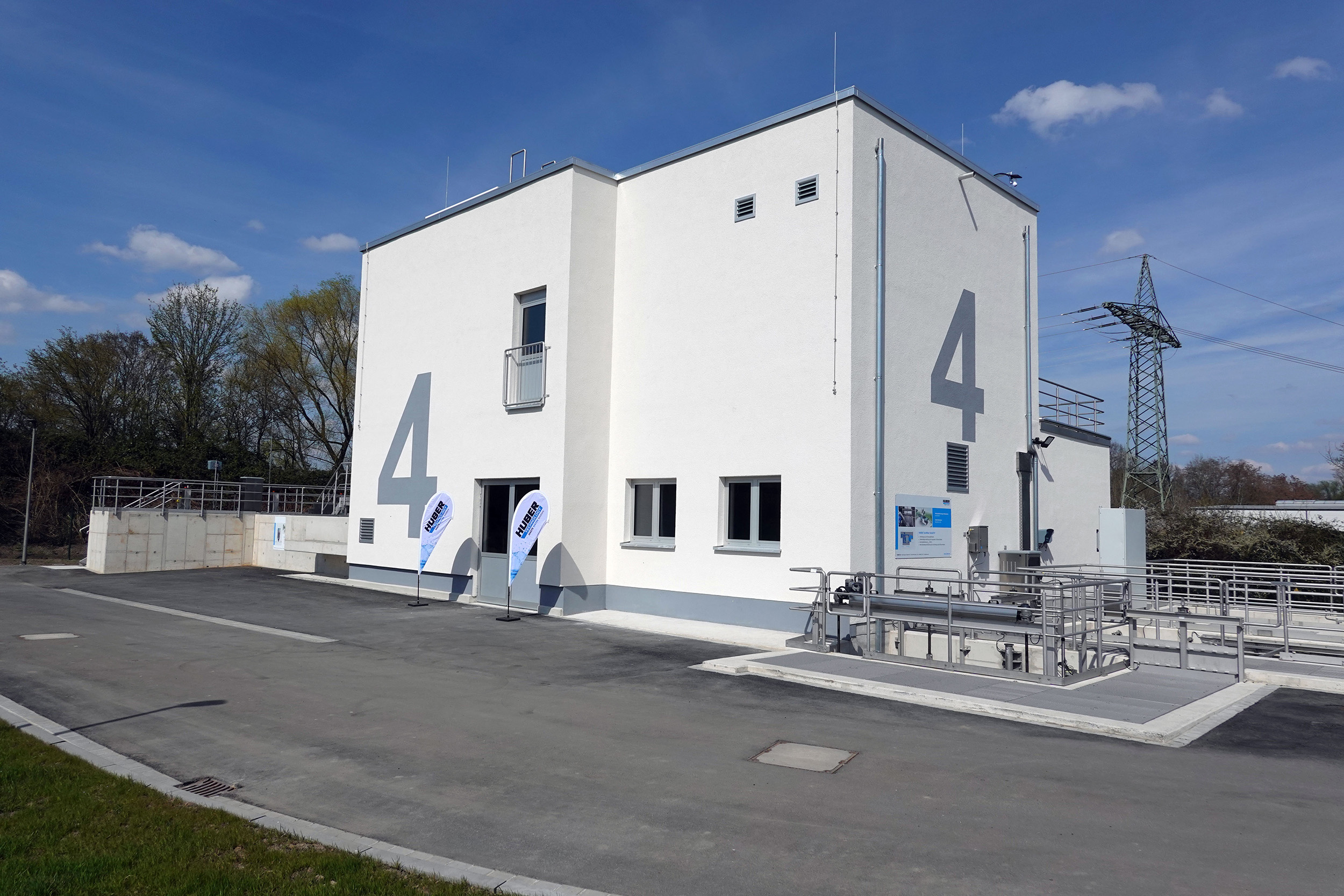
The European water sector will face enormous challenges in the coming years. Implementing the new EU‑Urban Waste Water Treatment Directive (UWWTD) and ensuring the sustainable protection of our water resources will be a significant collective task.
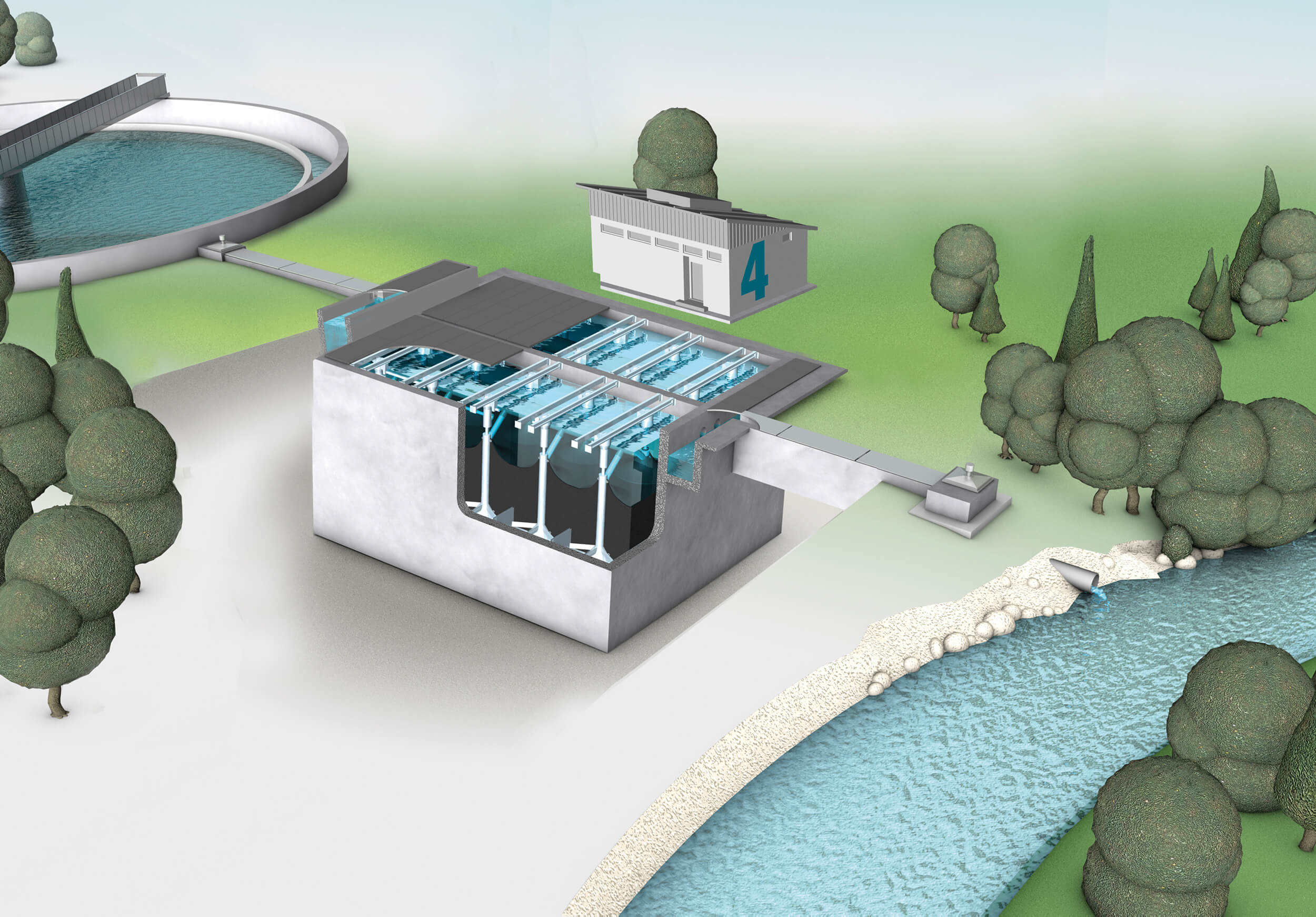
UWWTD is therefore rightly regarded as a milestone that will shape urban water management across Europe in the long term: stricter requirements for the removal of phosphorus and nitrogen, energy neutrality and, above all, the widespread introduction of the fourth treatment stage.
All sewage treatment works with a capacity of more than 150,000 population equivalents (PE) and, in sensitive areas, those with more than 10,000 PE, must retrofit this additional treatment stage by 2045. It is not yet clear how many sewage treatment works in Germany and Europe will actually be fitted with trace substance removal systems. However, it is expected that in Germany alone, around 600 sewage treatment works will be fitted with a fourth treatment stage.
To date, over 60 German sewage treatment works have already been upgraded with an industrial-scale fourth treatment stage, including 33 plants in Baden-Württemberg, which, together with Switzerland, has taken on an important pioneering role in this field.
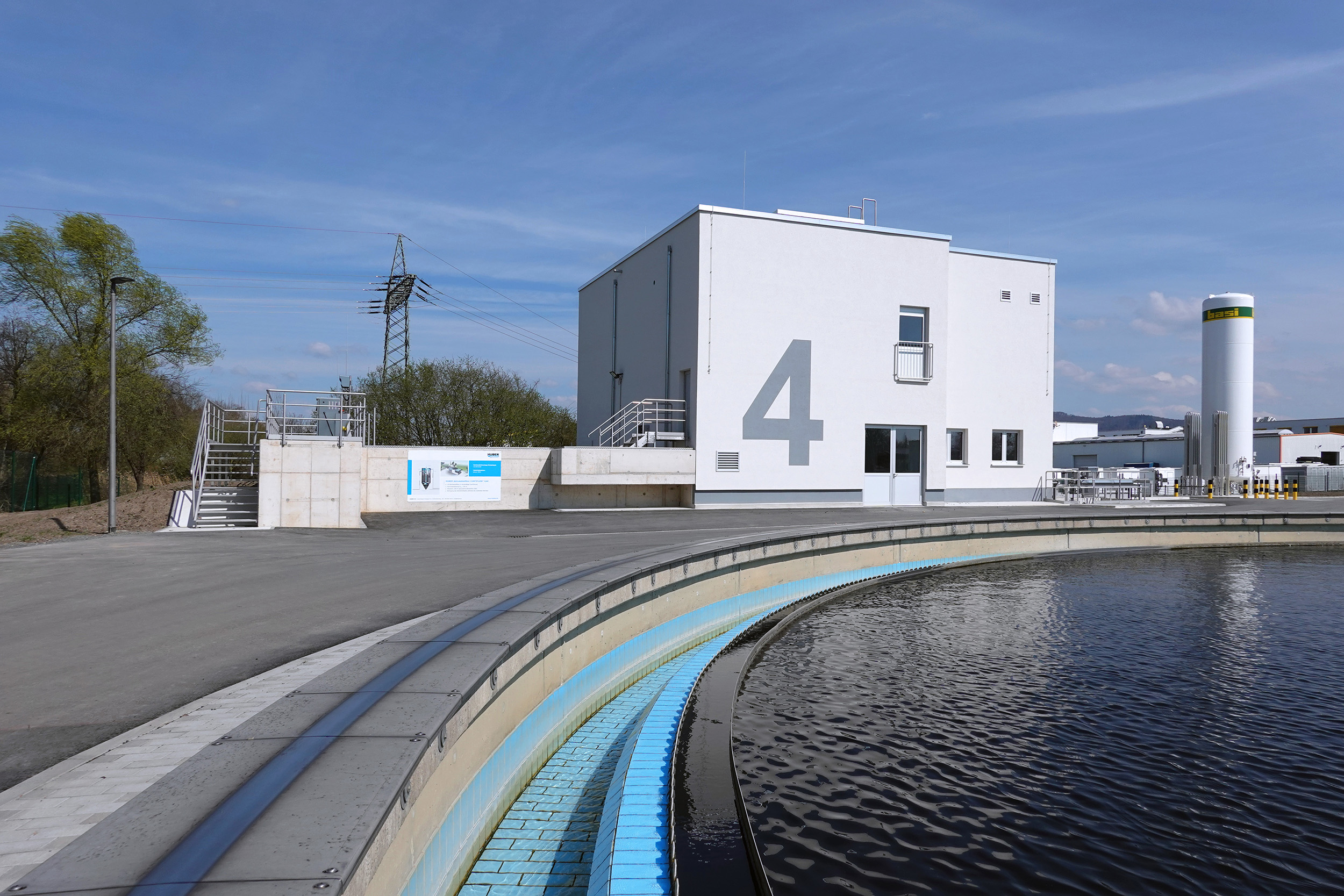
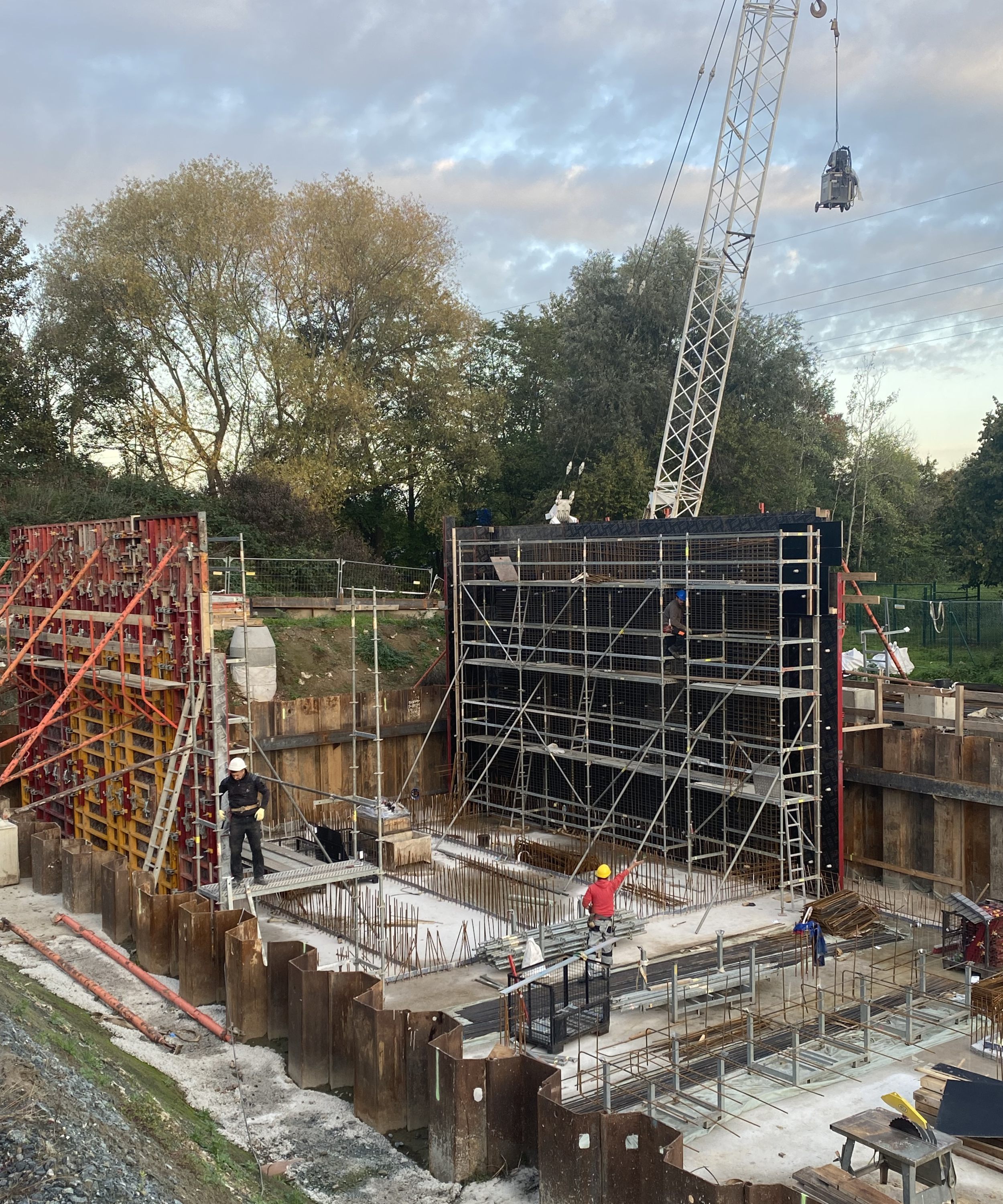
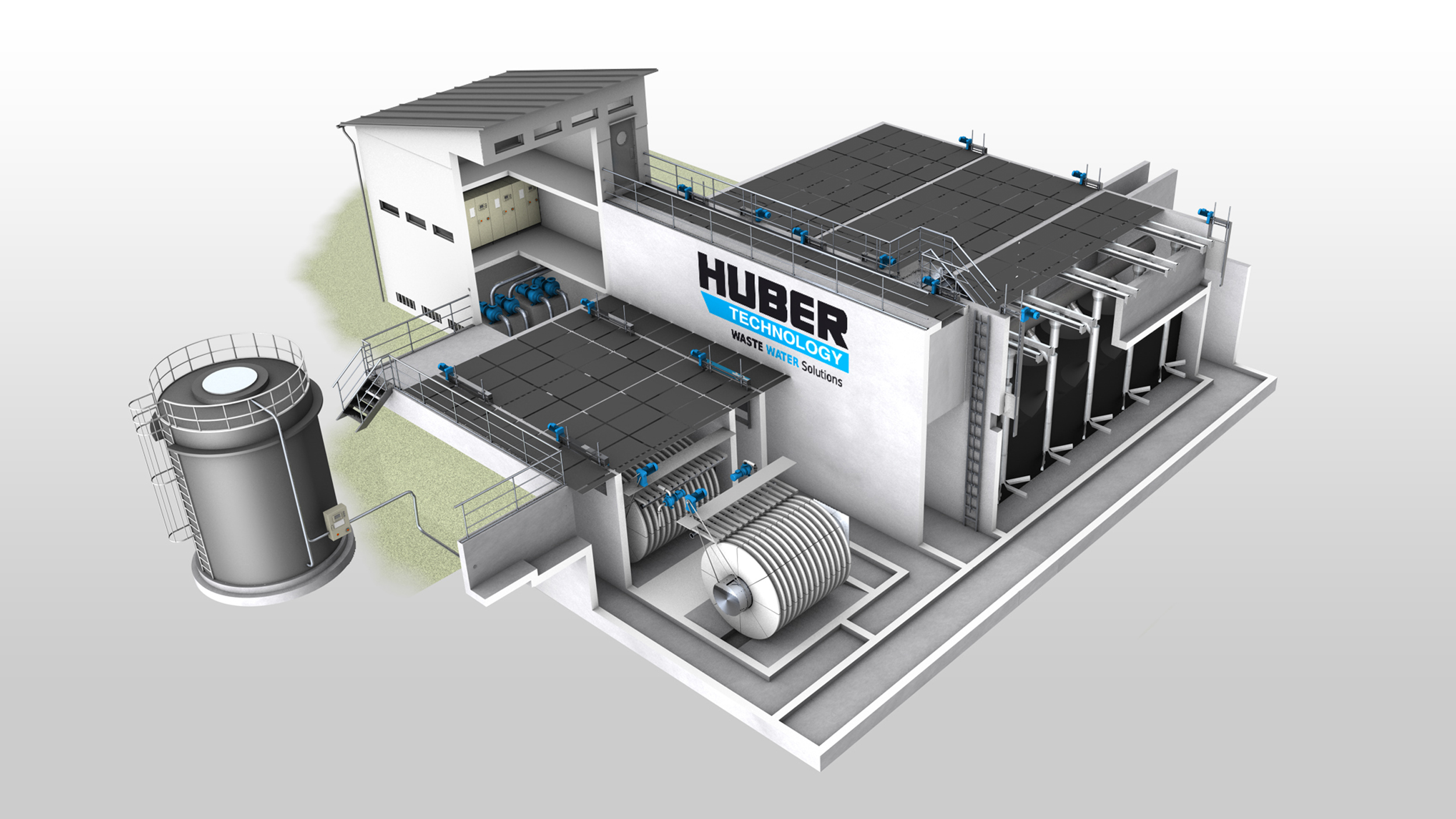
A small selection of these successfully implemented case studies is presented in the fact sheets opposite. The projects impressively demonstrate that, from a technological perspective, the successful implementation of an industrial-scale fourth treatment stage is already possible today.
It is now up to European policymakers to promptly develop and present a pragmatic solution for the financing of the UWWTD that is acceptable to all parties.
More Related Articles on this Topic
Case Studies