
An innovative drying solution for the future: first HUBER Cold Air Dryer HPS® reference project sets new standards


With the launch of the modular HUBER Cold Air Dryer HPS® and the commissioning of the first reference unit at the Todtenweis wastewater treatment plant (of Kabisbachgruppe Wastewater Association), HUBER is presenting a forward-looking, energy-efficient solution for sludge drying.
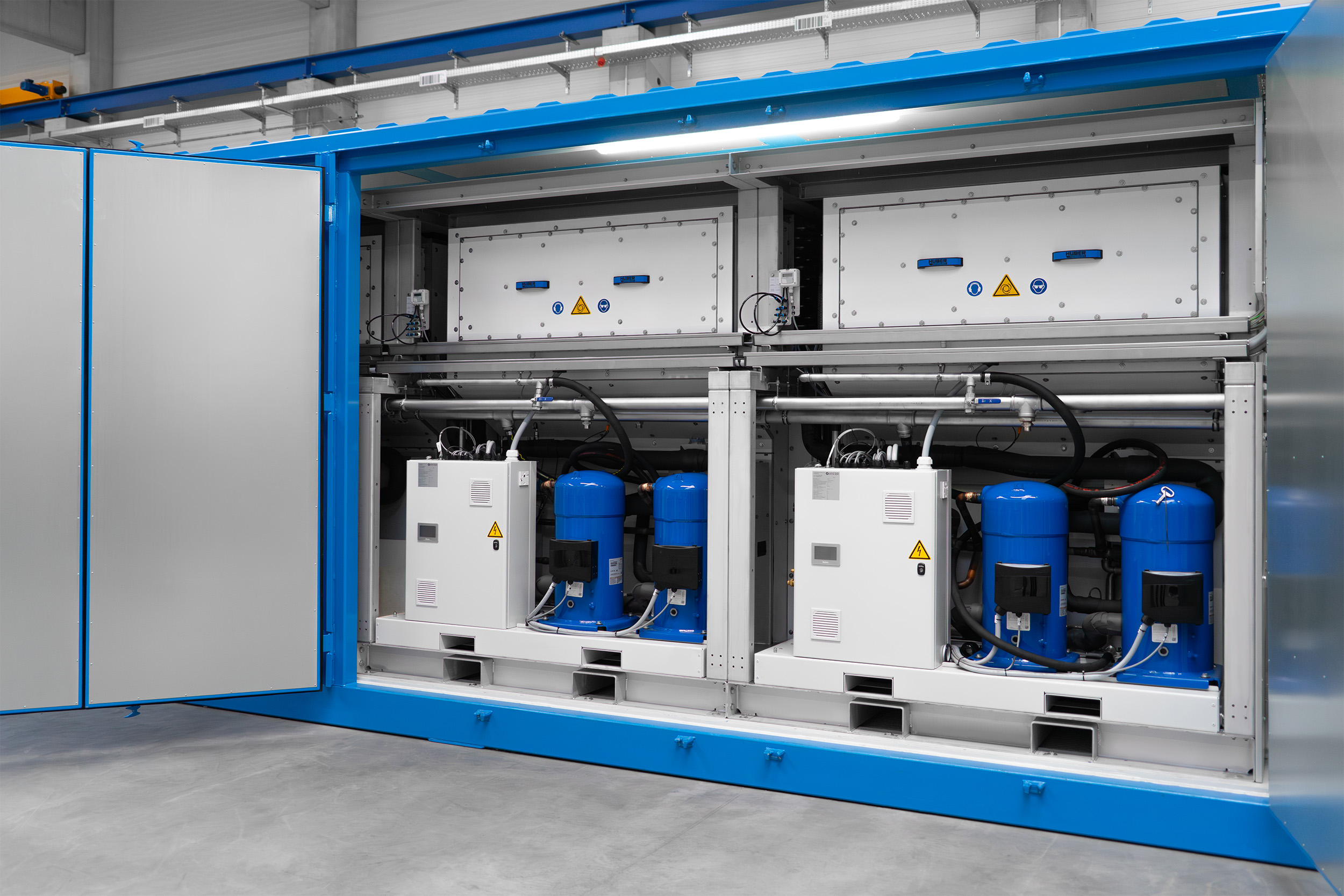
Designed for small to medium-sized sewage treatment plants with a capacity of up to 50,000 population equivalents (PE), the HUBER Cold Air Dryer HPS® expands the product portfolio of thermal sludge drying solutions. This innovative technology treats the sludge in a closed, modular unit. Each HUBER Cold Air Dryer HPS® module utilises an integrated heat pump system that enables water evaporation at a rate of around 50 kg/h. Drying takes place at moderate air temperatures in the range of approximately 40 to 50 °C. The water contained in the process air is recondensed in the closed air circuit through targeted cooling. As the process air is recirculated, there is no need for exhaust air treatment. The only effluent produced is condensate, which is returned to the sewage treatment plant's influent.
The HUBER Cold Air Dryer HPS® particularly demonstrates its strengths to the full at sites without an available waste heat source and with surplus electricity from a photovoltaic system. The amendment to the Waste Sewage Sludge Ordinance (AbfKlärV) means that the cost of disposing of sewage sludge will increase in the future. Drying reduces the volume and mass of the sludge whilst producing a high-calorific fuel for mono- or co-incineration.
The Todtenweis reference plant – a milestone
Located in the Lechfeld region near Augsburg, in the Upper Bavarian Tertiary Hills, the Todtenweis wastewater treatment plant is a milestone. It treats municipal wastewater using mechanical and biological processes, serving a population equivalent of 18,500 people from the municipalities of Todtenweis, Aindling, and Petersdorf. The plant also processes seasonal industrial wastewater from a neighbouring sauerkraut and canning factory. Another stream of material to be recycled arises from the intake of sewage sludge from the Edenhausen pond treatment plant. This combination of different wastewater and sludge streams makes the plant a particularly interesting reference site.
An intermediate sludge storage tank enables the various sludges to be mixed according to demand based on their mineral and organic content. Since 2009, the reliable HUBER Screw Press Q-Press® 440 has been used on site for mechanical dewatering of the mixed sludge. This process generates around 1,100 tonnes of sludge annually, with an average dry residue content of 23%. The dewatered sludge has so far been stored temporarily in a covered sludge pond, then loaded into containers by a wheel loader and transported away by a specialist waste disposal company.
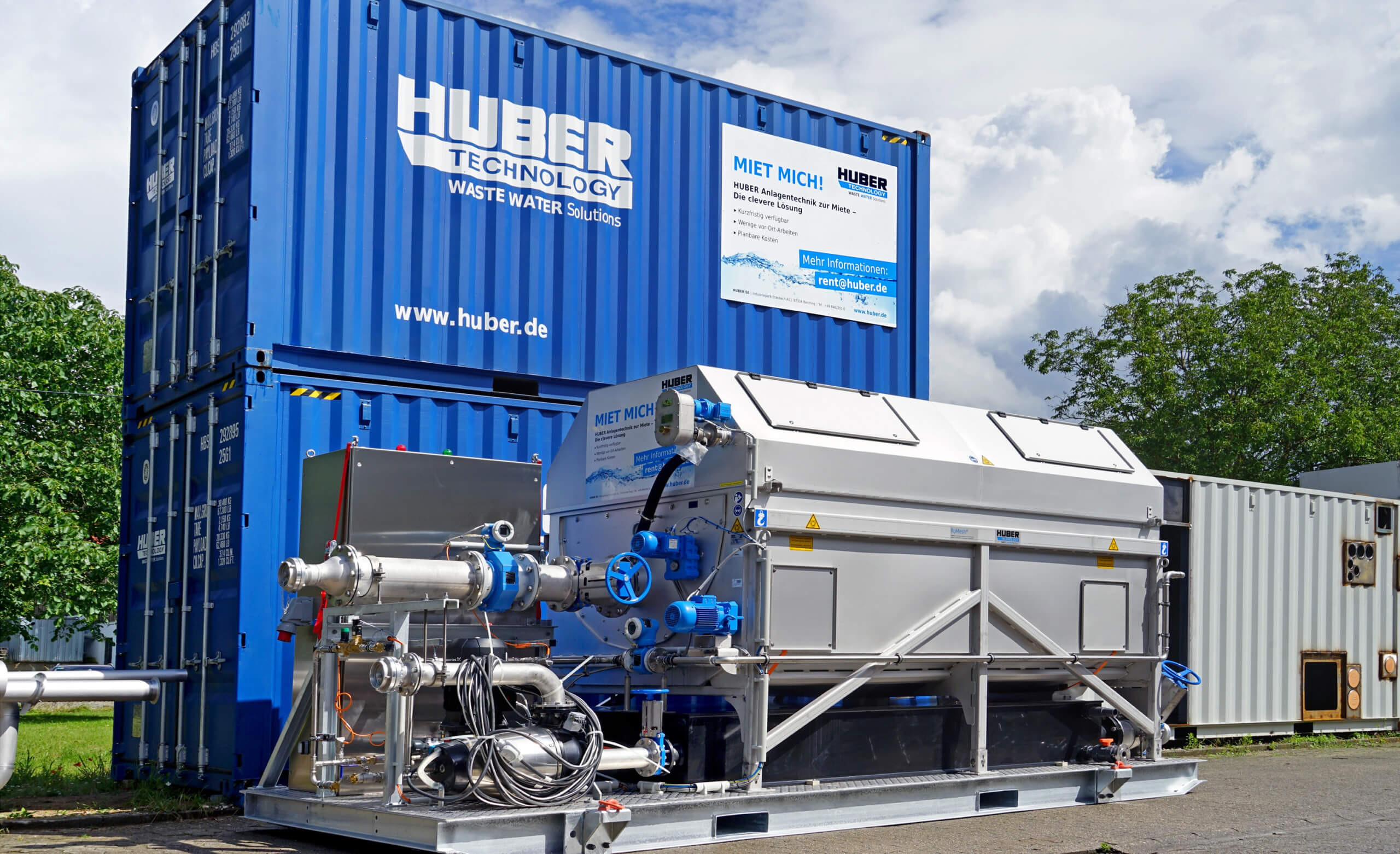
The wastewater association was convinced to install the first reference plant by the concept of a two-year lease of the HUBER Cold Air Dryer HPS® with a subsequent purchase option. The dryer for the Todtenweis sewage treatment plant is designed to operate for 3,600 hours per year. The relatively low operating hours per year are due to the flexibility of the drying process in terms of dewatering and the availability of low-cost electricity. Four heat pump modules ensure water evaporation of around 50 kg/h each. Construction of a 300 kWp photovoltaic system with battery storage is planned for May 2026. This will enable the flexible use of surplus electricity, particularly from March to October, for operating the dryer.
As well as offering flexible energy use, the HPS® cold air dryer provides customisation options for the process, such as signal exchange with the HUBER Screw Press Q-Press®. All feed and discharge components are intelligently networked via frequency converters and can be synchronised. Thanks to intelligent process control, maintenance requirements are minimised. All machine components are easily accessible via the container's generous maintenance access points.
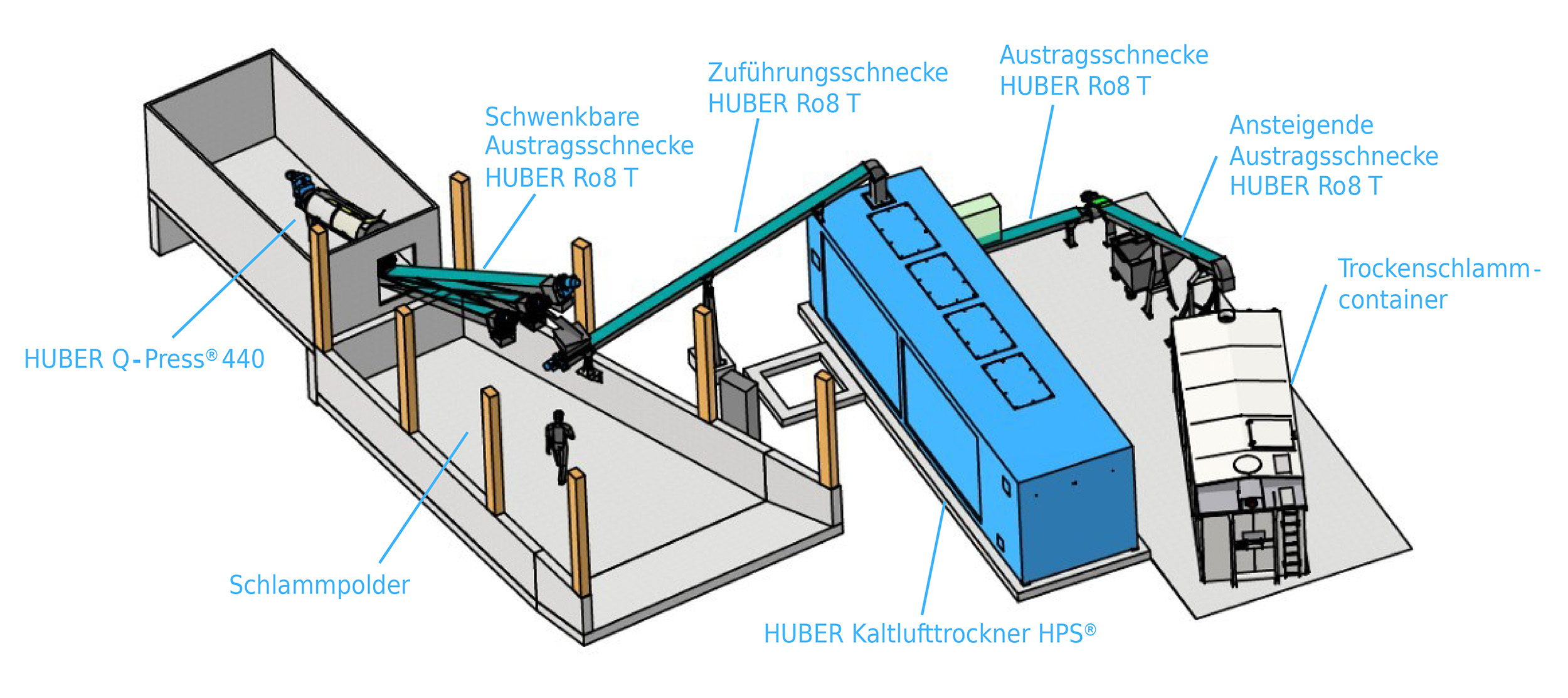
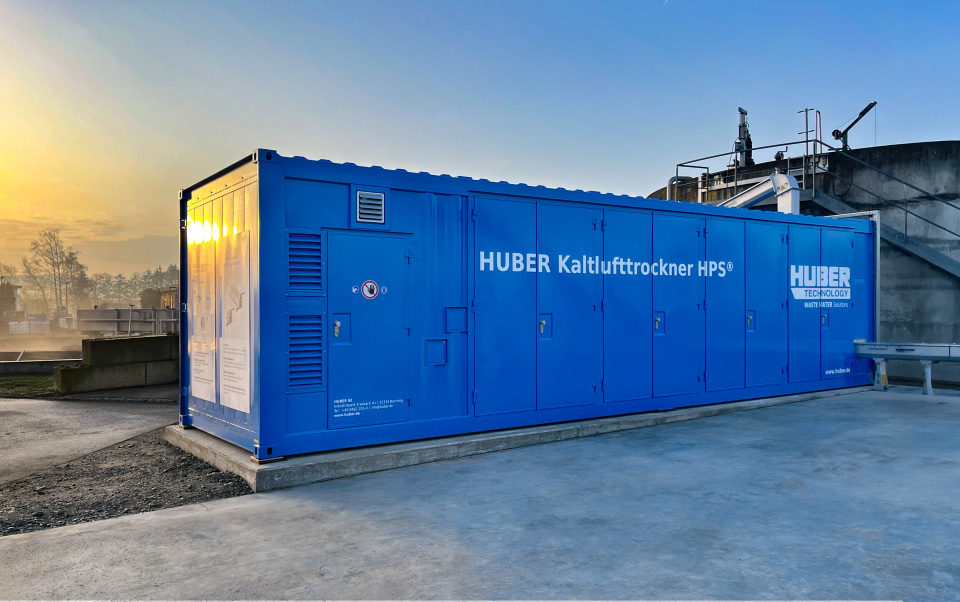
The container dryer has been positioned next to the existing sludge retention basin on a newly constructed foundation. Several HUBER Screw Conveyor Ro8 T units are used to transport the material. The swivelling discharge screw after the screw press enables material to be conveyed directly via a hopper onto the feed screw and into the cold-air dryer. If required, the discharge screw can be swivelled into the sludge retention basin to ensure maximum operational reliability. The discharge screw from the dryer transfers the material to an ascending screw conveyor in a lidded trough, which carries the dried sludge into a mobile, enclosed roll-off container. This solution offers the operator maximum flexibility.
HUBER Cold Air Dryer HPS®: efficiency meets sustainability
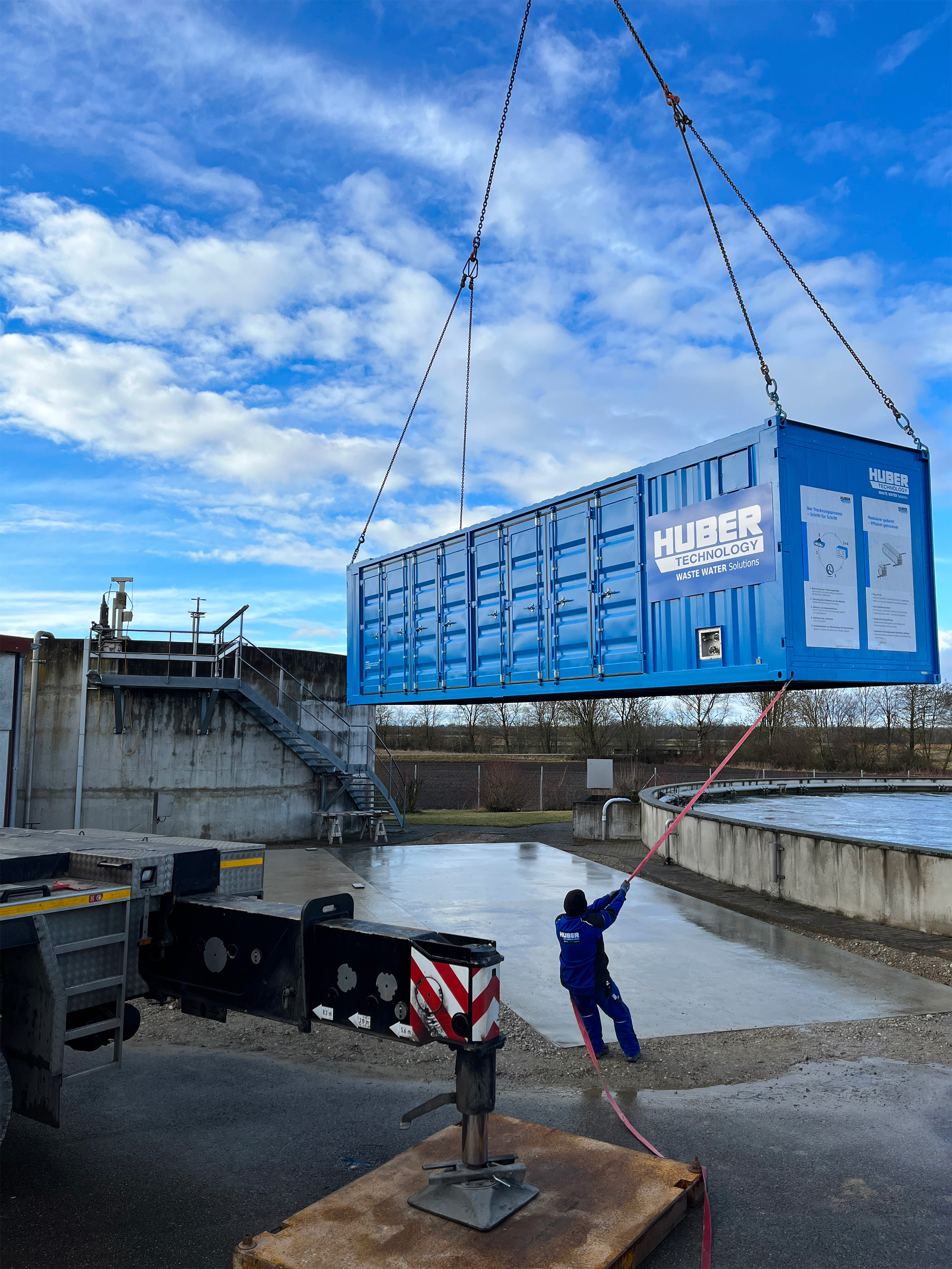
This project demonstrates how modern technology and intelligent control systems can enable sustainable waste management strategies, even with small, mobile units. A particular advantage of the containerised systems is that the dryer is assembled and cold-commissioned in the production hall at the Berching site. It is then transported to the sewage treatment plant on a single lorry and placed on its foundation using a mobile crane. Integrating peripheral components and connecting power, cooling water and condensate drainage enables hot commissioning immediately after delivery.
A concept for the future
By choosing the HUBER Cold Air Dryer HPS®, the AZV Kabisbach Group has opted for a solution that perfectly combines cost-effectiveness and environmental awareness. The reference plant in Todtenweis shows how intelligent technology and sustainable concepts are shaping the future of sludge drying. For operators, this means lower disposal costs, easier sewage sludge handling and an active contribution to climate protection.