



HUBER has solutions for the processing of sewer grit and grit from sewage treatment plants as well as road sweepings. Depending on the quantities and composition of the material to be processed as well as other general conditions, we design a tailor-made HUBER solution for grit treatment.
Grit washing for Reduction of the Organic Matter Contained in Grit
Grit and mineral substances from the grit chambers of municipal wastewater treatment plants usually contain a large to very large proportion of organic substances, which have settled in the grit chamber together with the grit.
Grit washing has become an established process for the treatment of grit from grit chambers over the last decades. HUBER Grit Washing Plants have been in operation worldwide for more than 25 years and have set the standard for modern and efficient processing of grit from wastewater treatment plants to produce a valuable product for reuse.

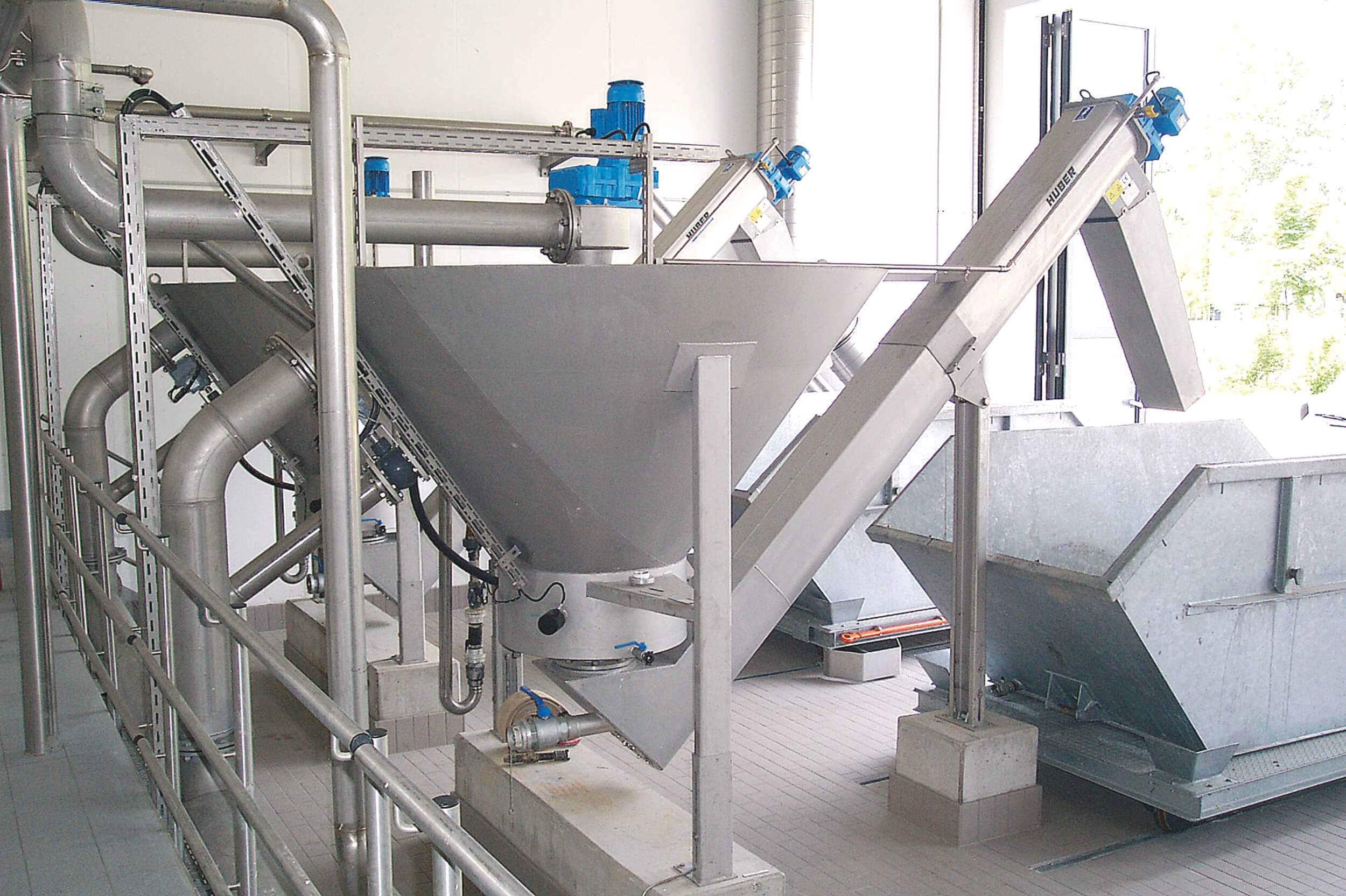
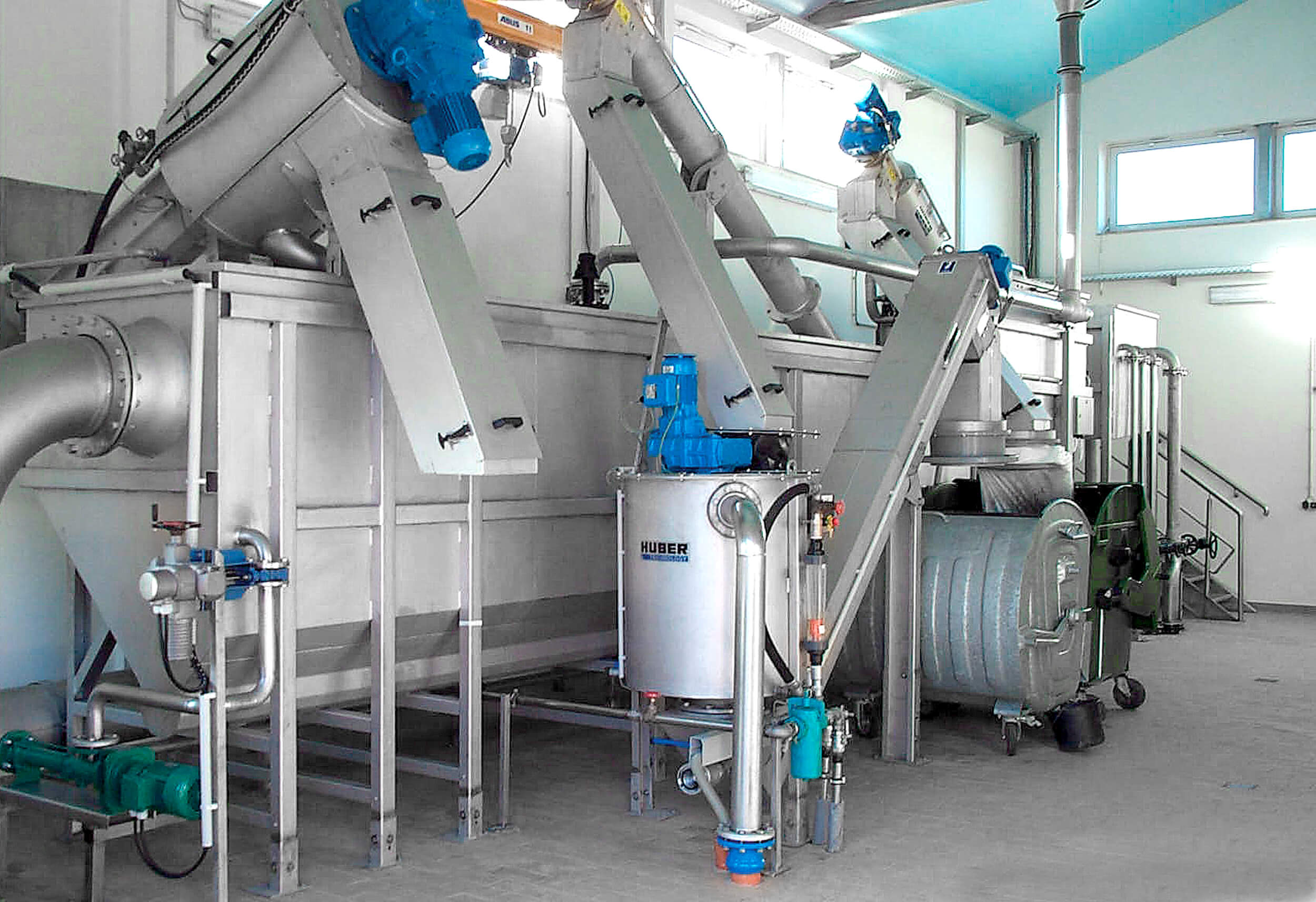
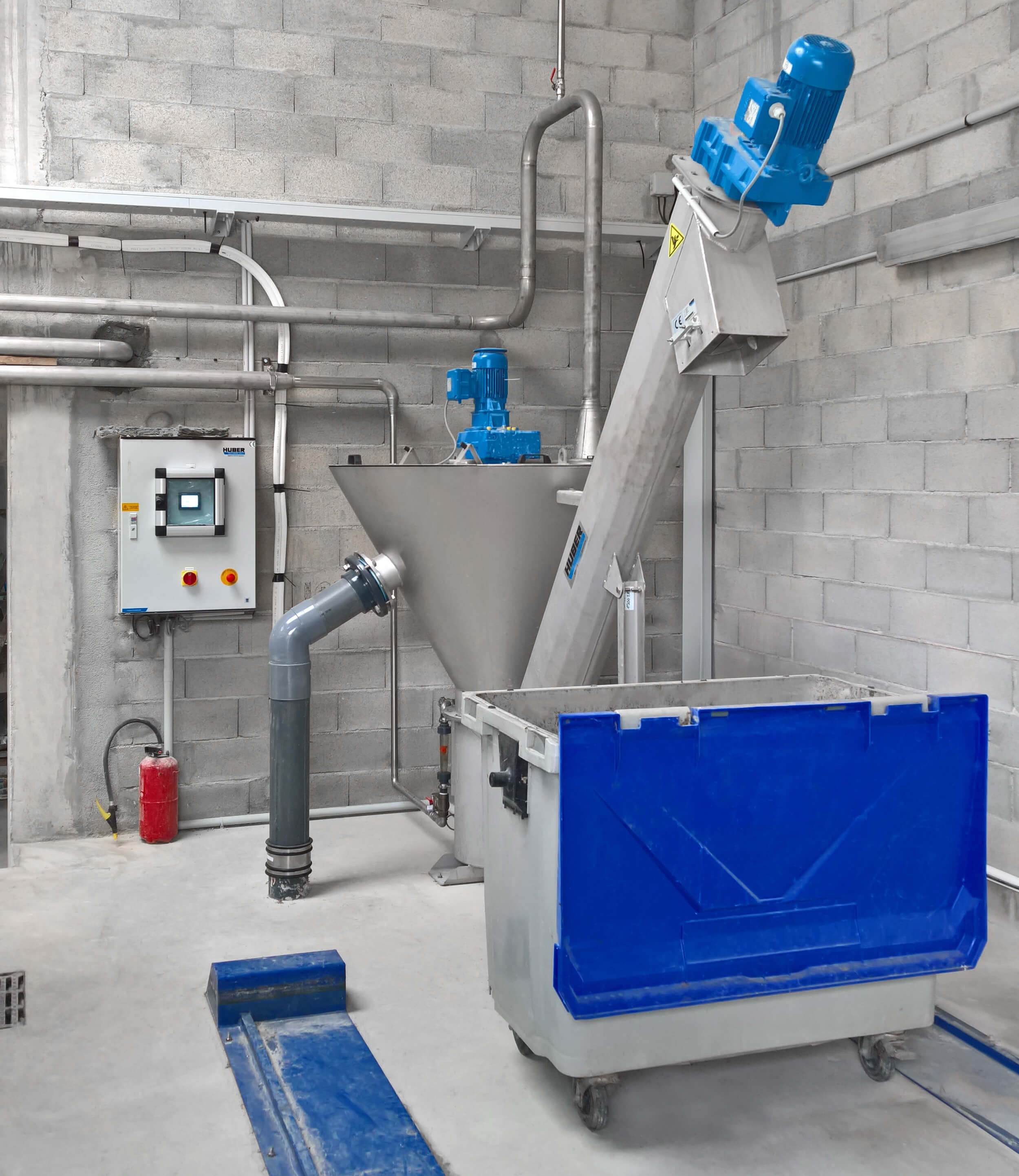
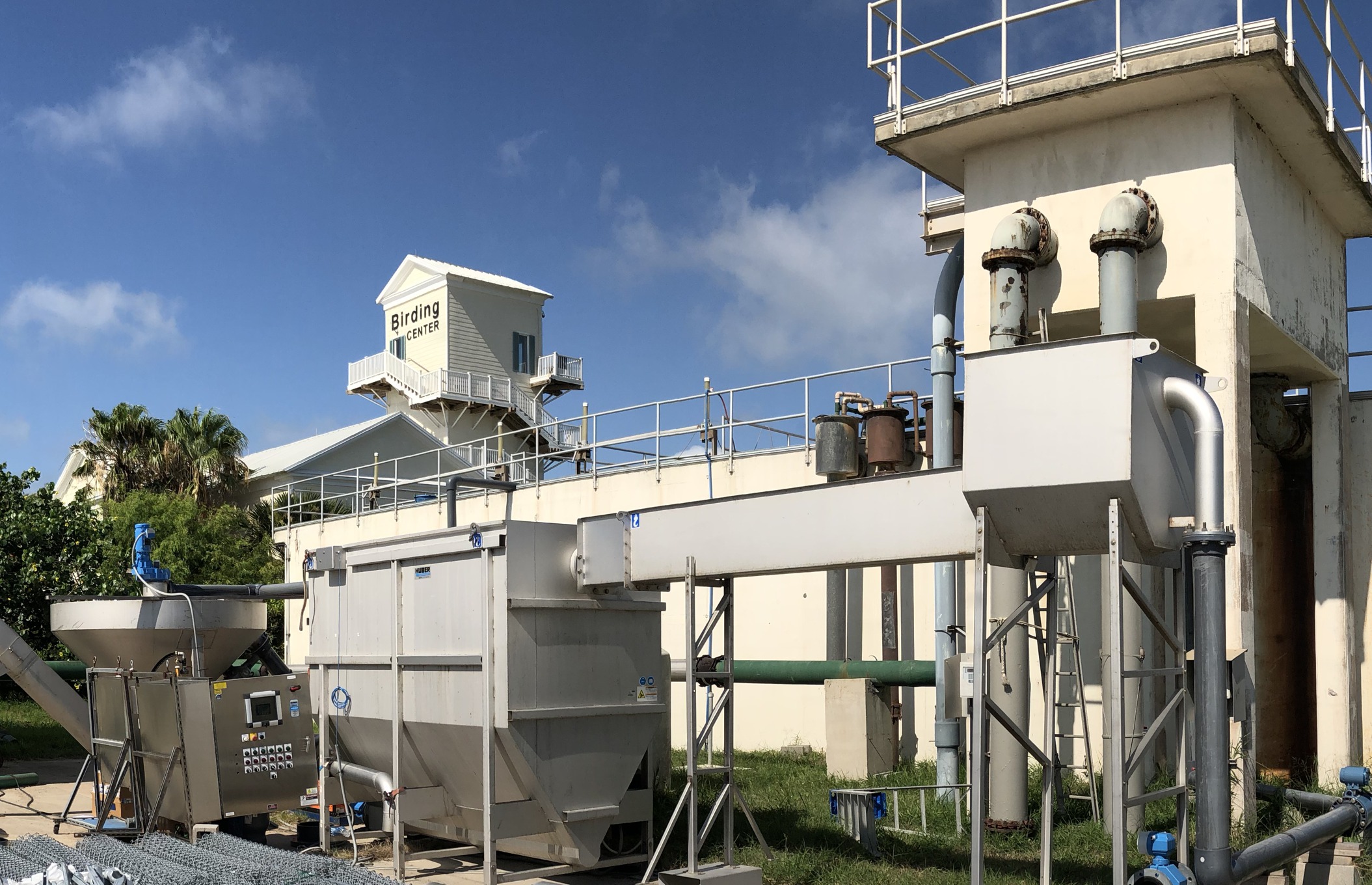
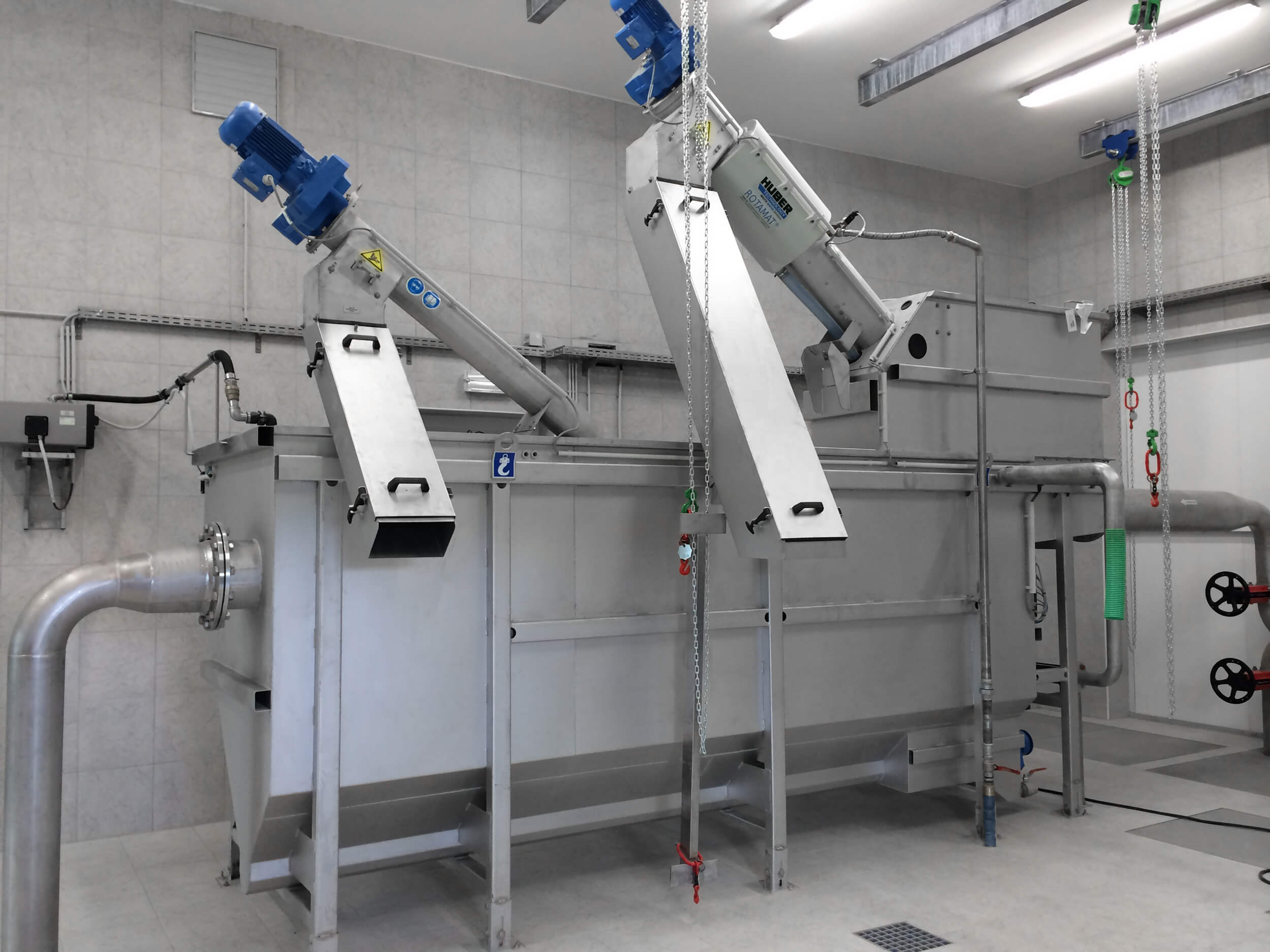
HUBER Coanda Grit Washer RoSF4

Reliable reduction of the organic content of the grit to < 3%

The loss on ignition of the washed grit is less than 3%

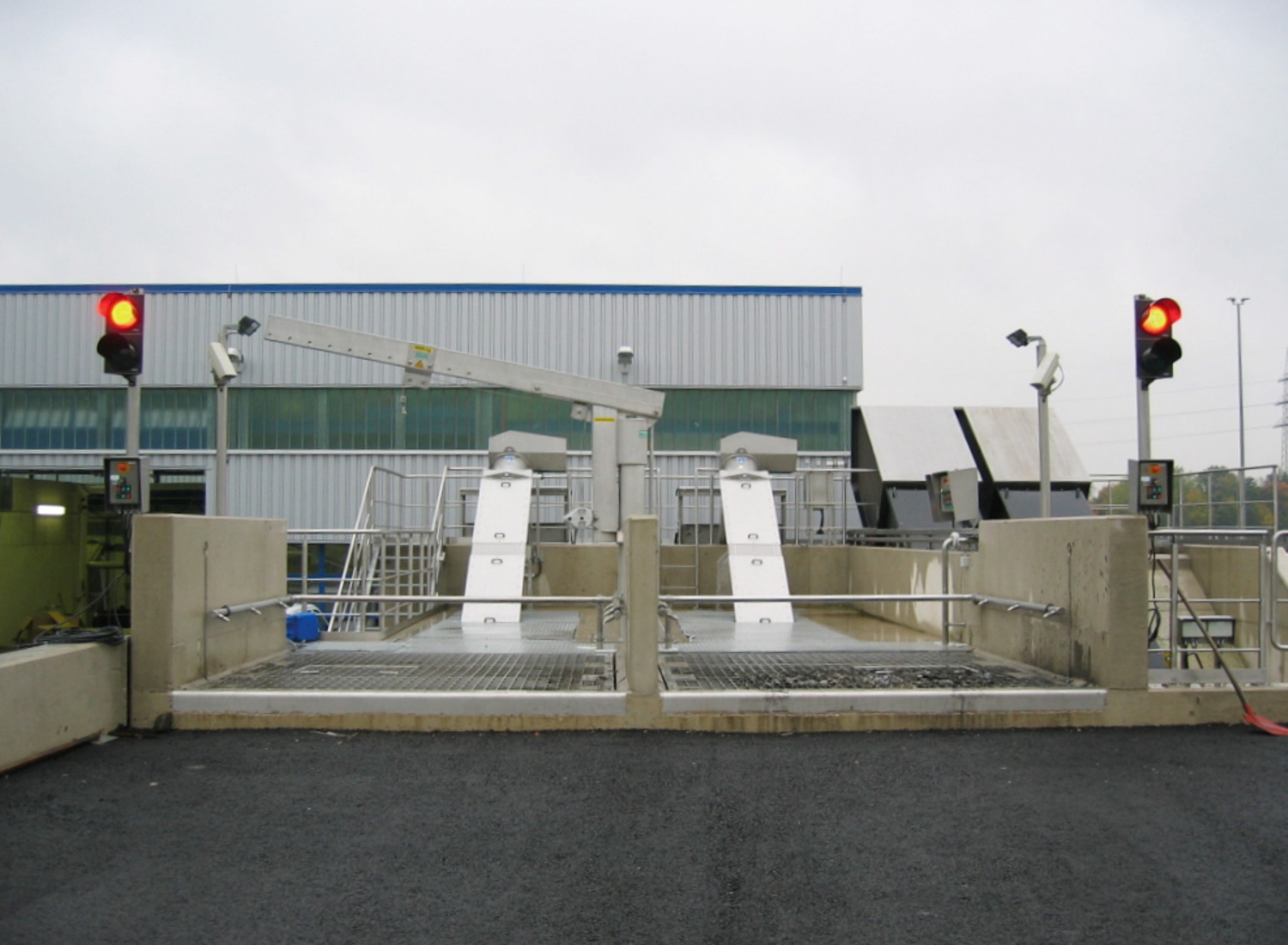
The HUBER Grit Washer RoSF4 T washes the classified grit from a HUBER Circular Grit Trap HRSF

HUBER Grit Washer RoSF G4E reduces the organic content in grit to < 5%

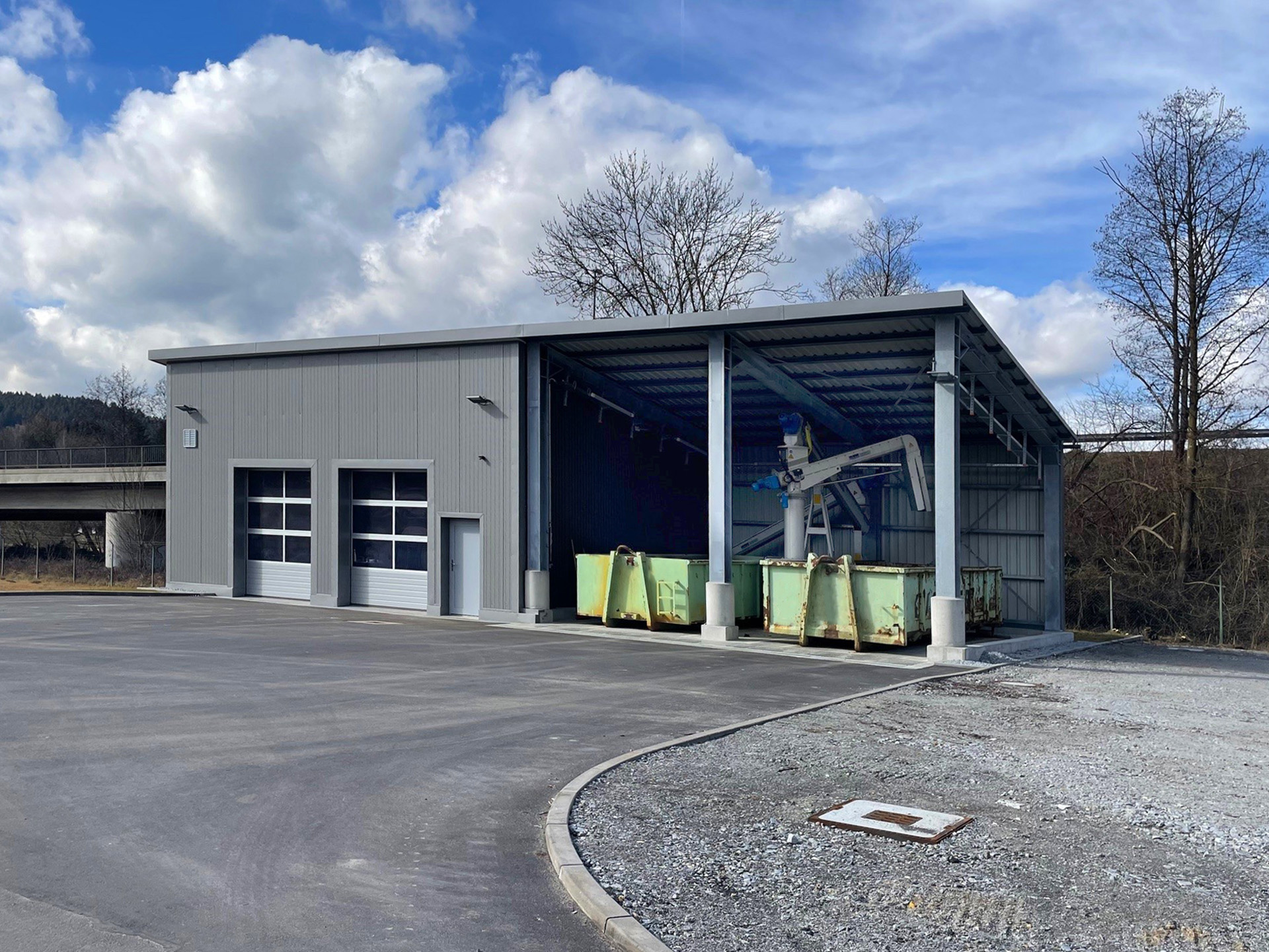
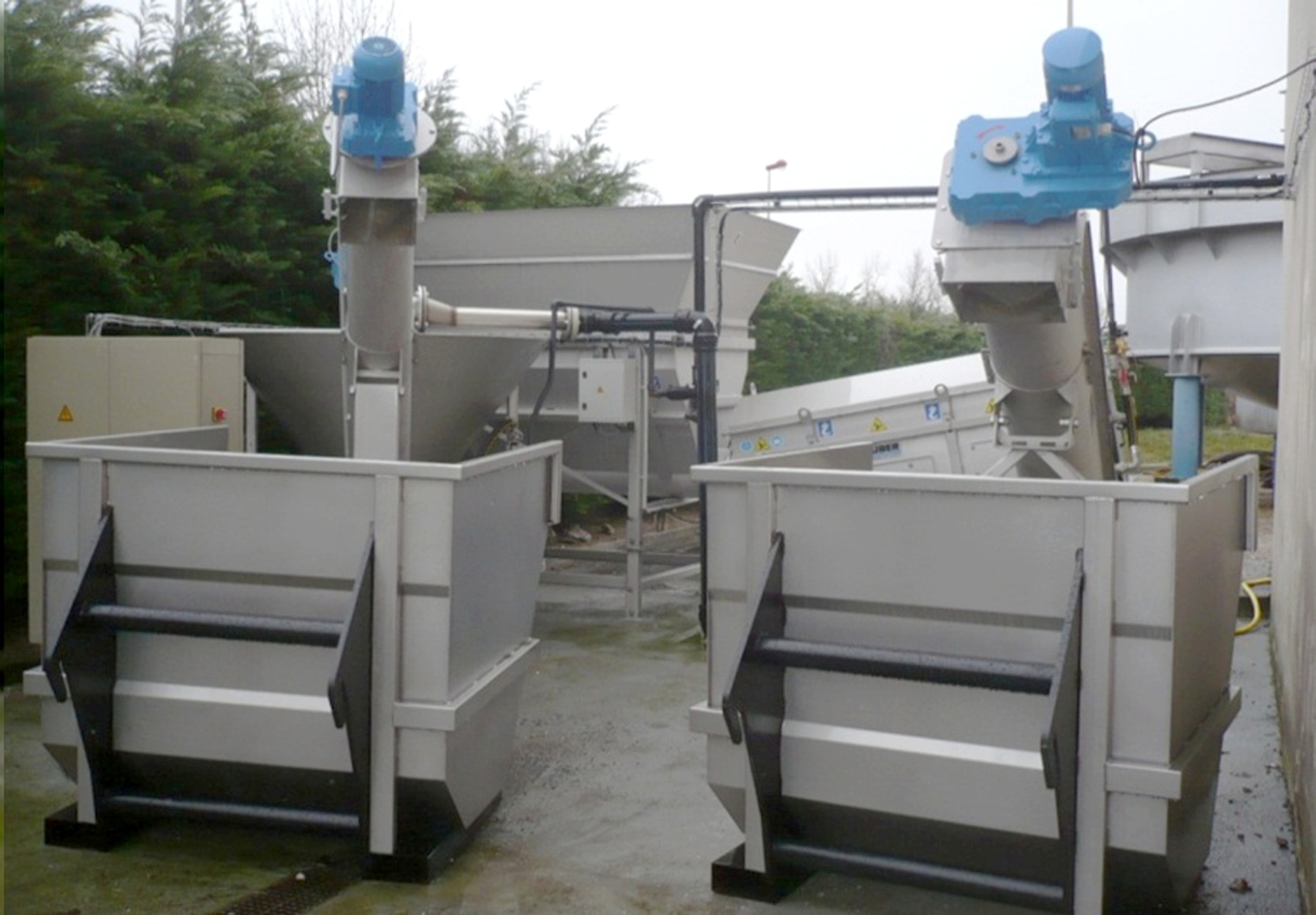
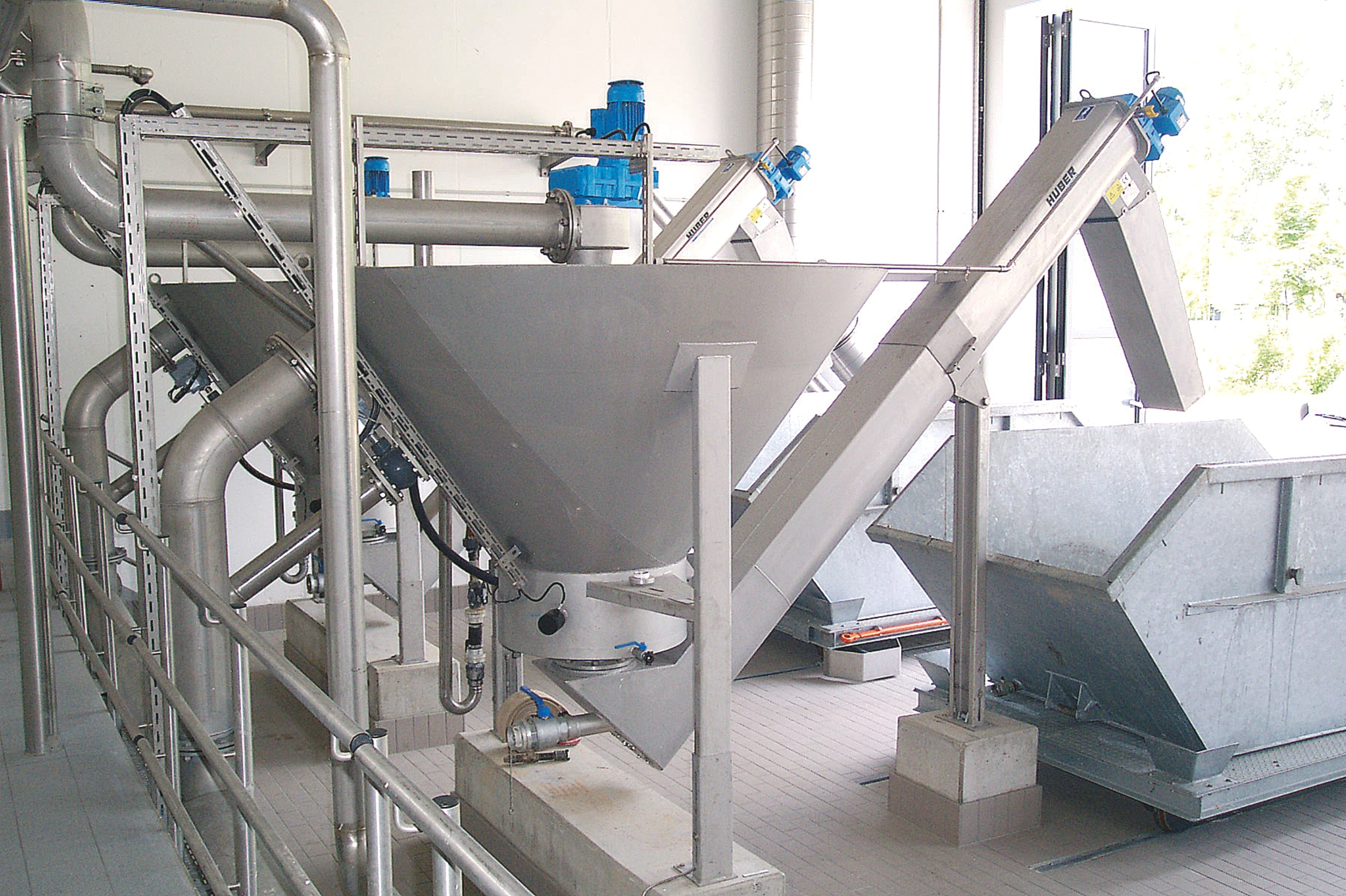
Grit washing plants with container for the washed grit
Process
The Target of Grit Treatment
Due to the proportion of organic substances, the heterogeneous grit-organic mixture has a relatively low dry residue of 40 – 70 % DR and a relatively high loss on ignition of up to 80 %.
The purpose of a well-performing grit treatment system is to first remove the grit down to a grain size of 0.2 mm and then to separate the valuable material sand and the mineral fraction from the organic contaminants mentioned.
The treatment of grit produces a valuable resource with a low loss on ignition (< 3 %) and a high dry residue (> 90 %). This reduces disposal costs and provides a product that can be reused as a secondary raw material.
Products
Machines for Treatment of Grit from Sewage Treatment Plants
Media
Videos and Animations
Downloads
Customer Information and Documents
FAQ
Frequently Asked Questions
A good grit washing system is characterised by its ability to wash out the organic substances in the grit so that the loss on ignition in the washed grit is < 3%. In addition to the effective separation of organic and mineral components, the retention of fine sands is also decisive in practice, which is taken into account in the design of HUBER Grit Washing Plants.
In order to be landfilled, the grit must be further treated before. Depending on the size of the sewage treatment plant and the amount of grit, grit classifiers or grit washers are used. The state of the art is now the grit washer.
Both the grit washer and the grit classifier are fed with a grit-water mix. In the machine, the grit is separated from the water.
In contrast to the grit classifier, the grit washer is able to wash the separated grit. This means that the separated grit is freed from organic components as far as possible. The grit washer thus produces grit that is almost free of organic matter, whereas the separated grit in the grit classifier may contain a considerable amount of organic matter.
In municipal wastewater treatment, grit is separated in a grit trap. This separation takes place by sedimentation, i.e. the grit settles in the grit chamber after sufficient retention time. However, since there are not only mineral substances such as grit in the wastewater, but also many organic solids, these also settle to a greater or lesser extent. As a result, when the grit is discharged from the grit chamber, it sometimes contains a large amount of organic solids. This contamination of the grit with organic matter hinders, among other things, cost-effective landfilling or reuse of the grit.
Grit washing with a HUBER Grit Washer RoSF4 solves this problem and produces clean grit with an organic content of less than 3% loss on ignition, the HUBER Grit Washer RoSF G4E reduces the organic content to ≤ 5%.