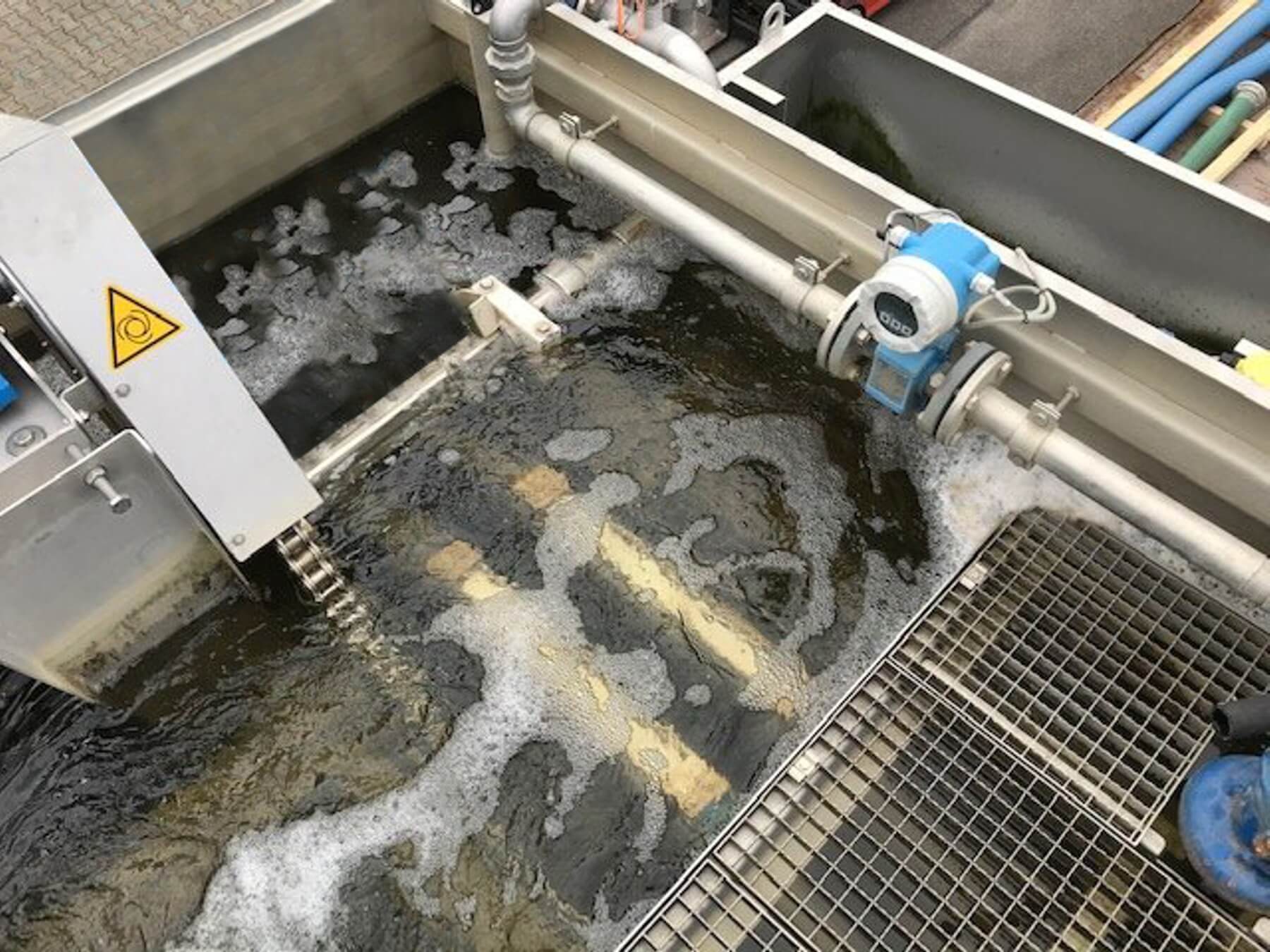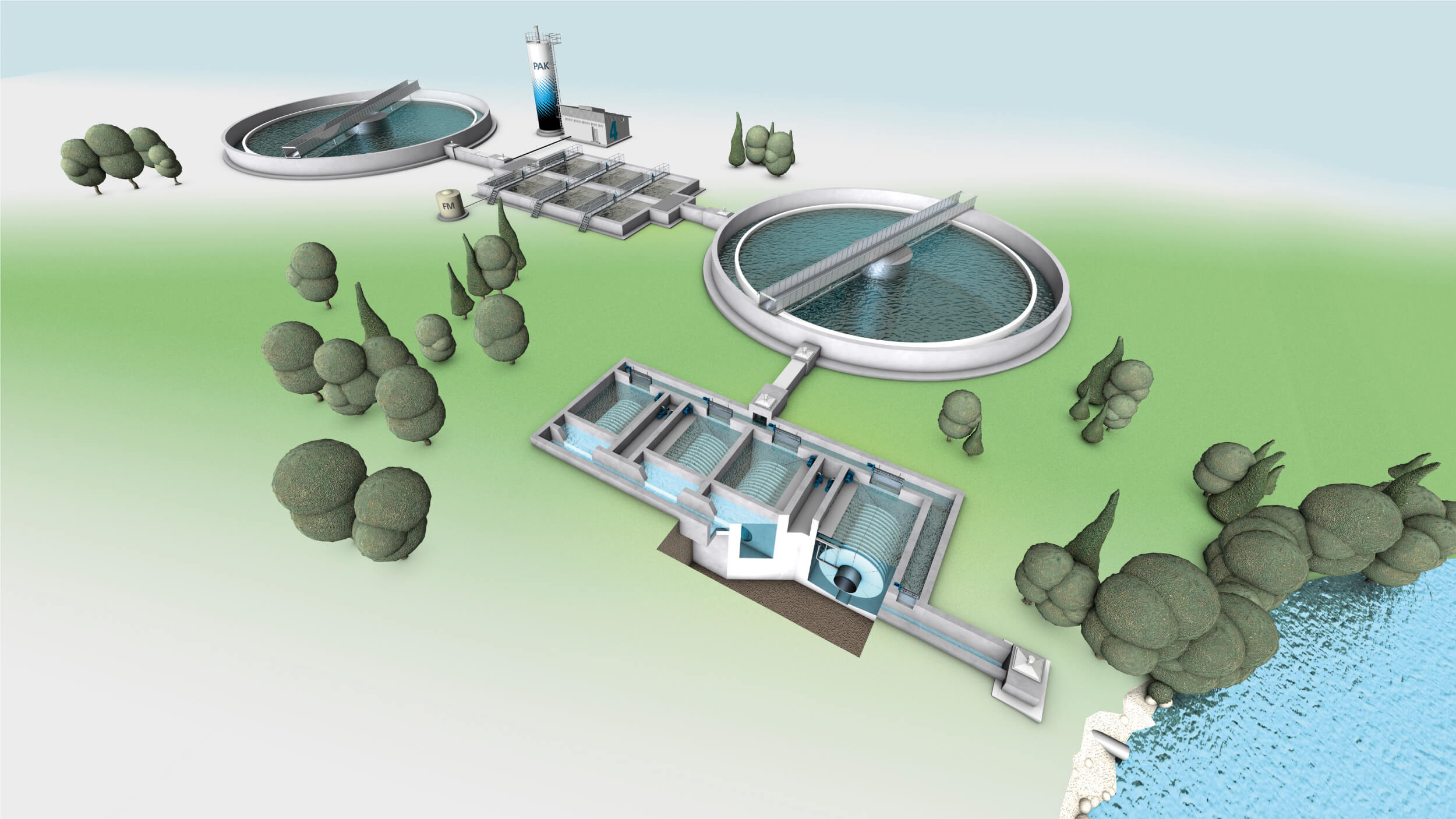

Three HUBER Pile Cloth Media Filter RotaFilt® units for pile fabric filtration at the Ta' Barkat sewage treatment plant in Malta


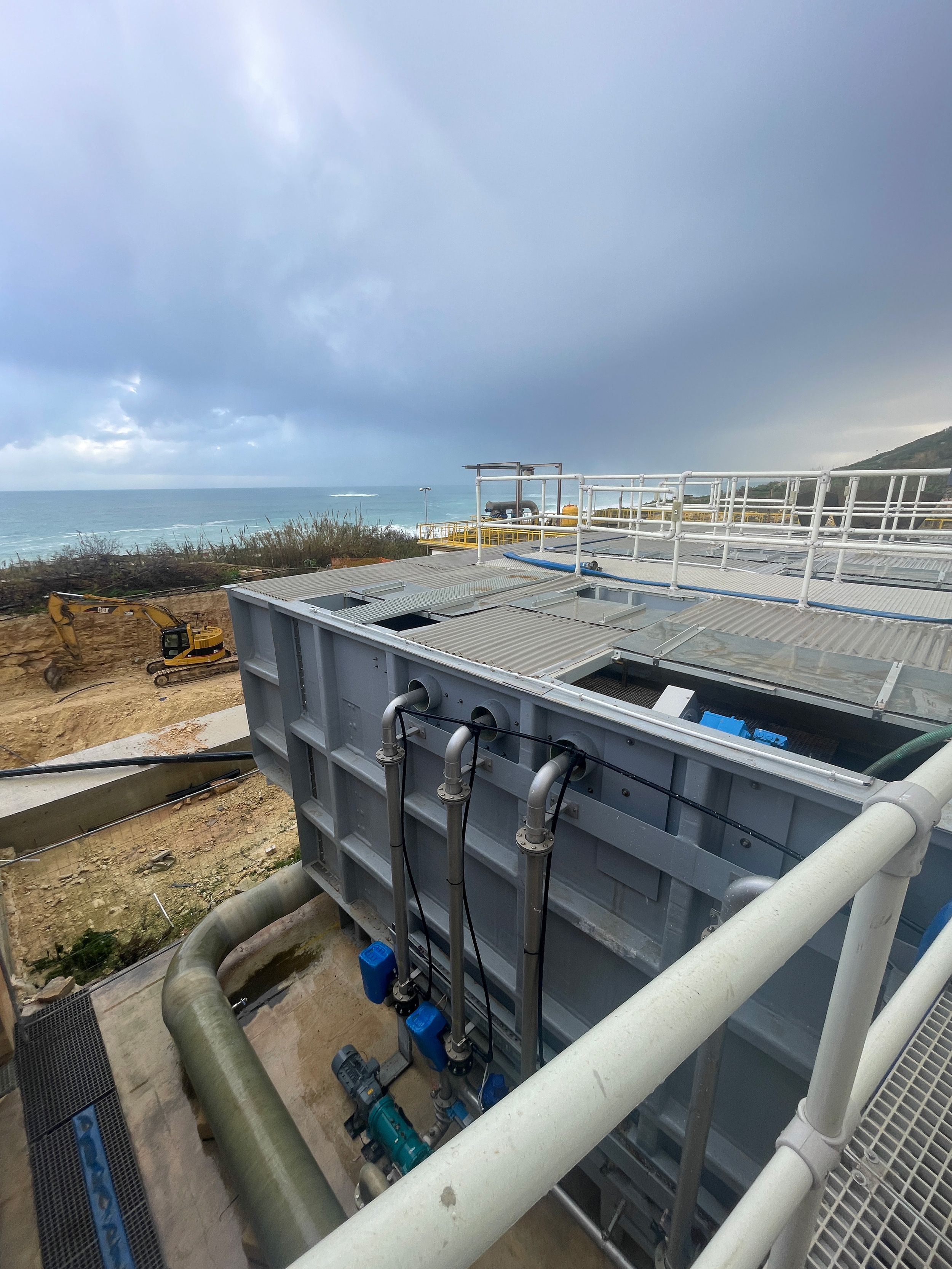
The Ta' Barkat sewage treatment works, often referred to as the Malta South STW, is at the heart of Malta’s wastewater management system. It is situated near Xgħajra on Malta’s south-east coast and officially came into operation in 2011. It is the country’s largest sewage treatment works and treats around 60,000 m³ of wastewater every day. This corresponds to around 80 per cent of the island’s total wastewater volume. The plant uses a modern biofiltration process that alternates between aerobic and anoxic environments to efficiently treat the wastewater. Its commissioning has significantly improved water quality at beaches in the south, such as Marsascala and Kalkara.
‘New Water’ project
An important feature of Ta’ Barkat is its reclaimed water treatment plant, which allows the water to be used for agricultural irrigation. Here, the already treated water is further purified through ultrafiltration (UF) and reverse osmosis (RO) to such a high standard that it can be used as high-quality irrigation water for agriculture. The result is Class A water, the quality of which, according to the operator Water Services Corporation (WSC), even exceeds the standards set by the Food and Agriculture Organisation of the United Nations (FAO) for the irrigation of food crops.
Currently, up to 9,000 m³ of ‘New Water’ is produced daily. However, it is expected that daily production will need to be increased to 20,000 m³/d by 2028. In the long term, the project is intended to cover up to 35 per cent of the agricultural sector’s water requirements. The main objective is to achieve a ‘net-zero impact’ on the natural water cycle by replacing illegal or excessive extraction from wells with sustainable reuse.
To protect the downstream ultrafiltration and reverse osmosis plant (UF-RO system), drum filters were originally used as ultra-fine screens downstream of the secondary clarifier. However, these did not provide the necessary purification performance. The TSS values in the effluent from the drum filters were regularly in the range of 20–40 mg/l, leading to high operating costs for the UF membrane and, consequently, plant downtime.
For this reason, the operator conducted an in-depth review of alternative technologies for ultra-fine filtration of the treated effluent. Ultimately, it was decided to replace the drum filters with cloth filters in order to ensure a better effluent quality for the operation of the UF-RO system.
HUBER solutions in use
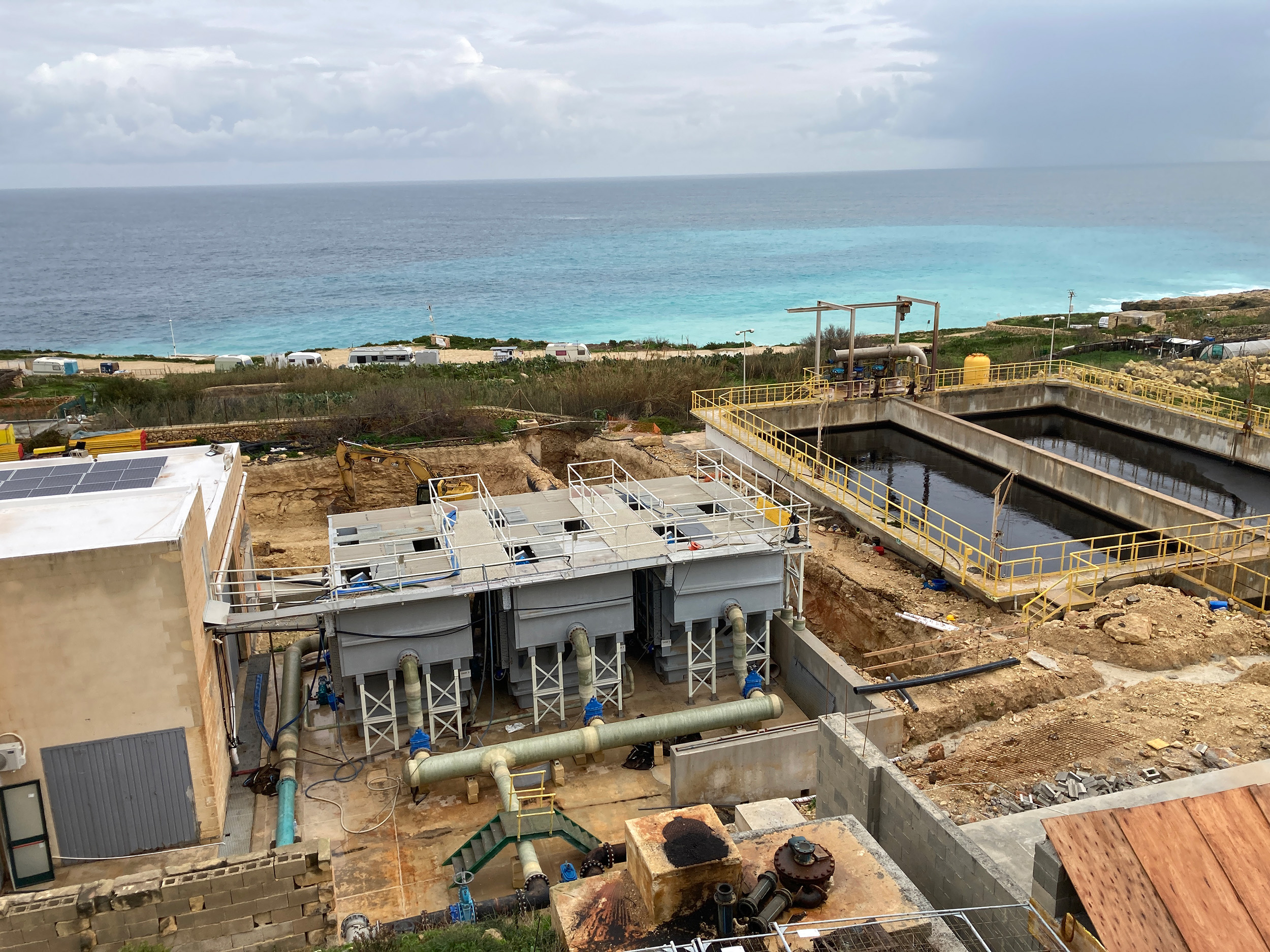
In January 2024, HUBER SE was commissioned via a local partner to upgrade the plant with a cloth filtration stage. At the WSC’s request, the system was installed in tanks. Following intensive detailed discussions and coordination with all parties involved, three HUBER Pile Cloth Media Filter RotaFilt®, size 2700, were delivered to Malta in November 2024.
After more than a year of satisfactory operation, a routine inspection carried out by a HUBER service team in collaboration with the operator identified potential for improvement in the overall functioning of the plant. The aim is to increase plant availability and improve operational performance. This is because the pile fabric filtration stage must also significantly increase its net daily throughput in the course of 2026. Meanwhile, construction work on the expansion of the downstream filtration stages is also in full swing, to ensure the plant is optimally prepared for future requirements.