
HUBER As a full-liner: A Partner for Every Stage of Modern Wastewater and Sludge Treatment


Anyone planning or operating a wastewater treatment plant, or looking to optimise an existing process, faces growing challenges today. These include stricter legal requirements, rising energy costs and the need for sustainable resource use, all of which require reliable, robust and efficient technical systems. Operating a wastewater treatment plant is like maintaining a finely tuned clockwork mechanism – if one cog fails, the whole system stops working.
In such an environment, having a partner who can offer complete, coordinated process chains as well as individual machines is a decisive advantage. This is precisely where HUBER comes in as a full-range supplier.
Sludge treatment: a process that deserves more attention
A significant proportion of a wastewater treatment plant’s operating costs are accounted for by sludge treatment. Yet in the public consciousness, it is often merely perceived as a 'waste problem'. However, it is a highly complex process that adds value, in which every detail matters.
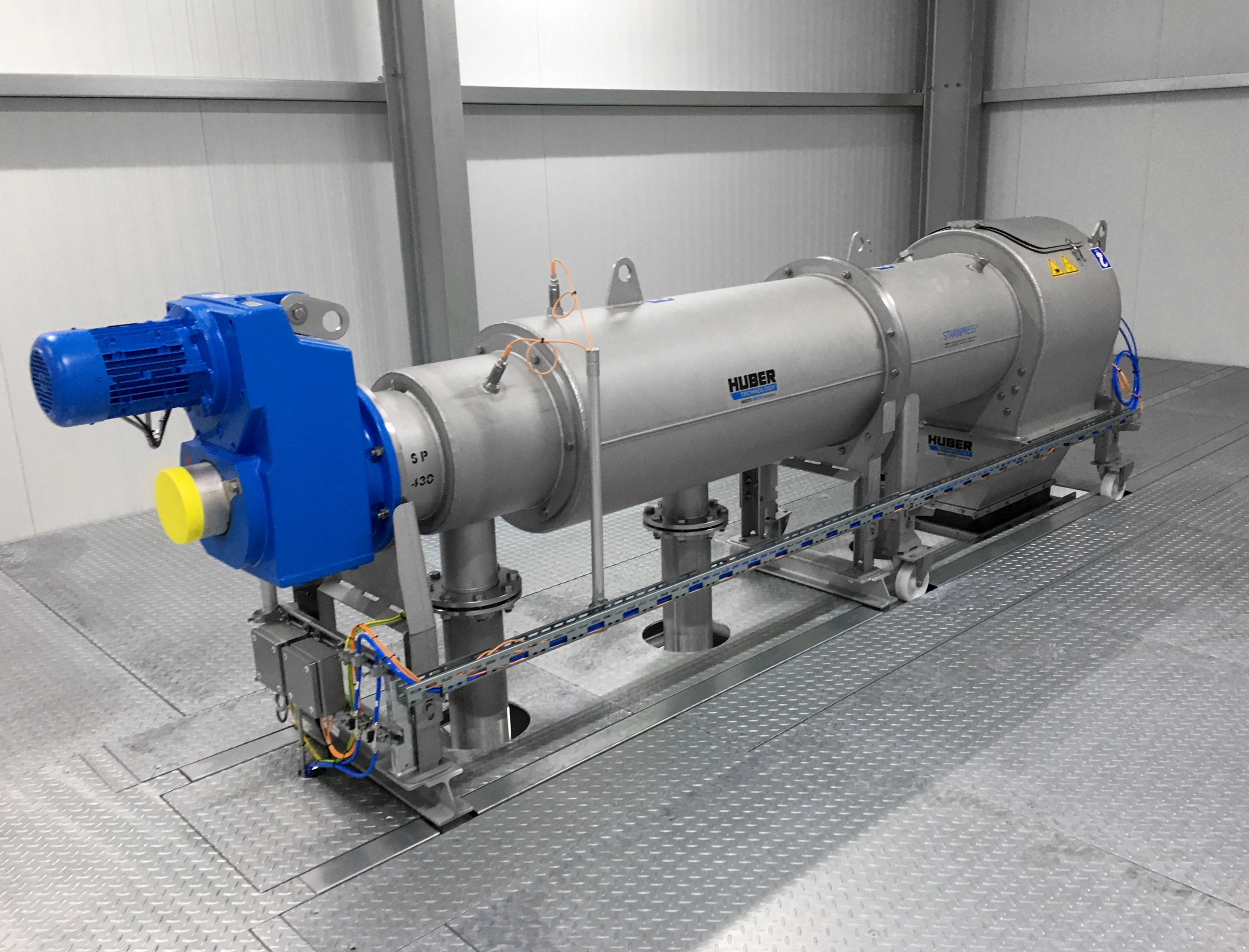
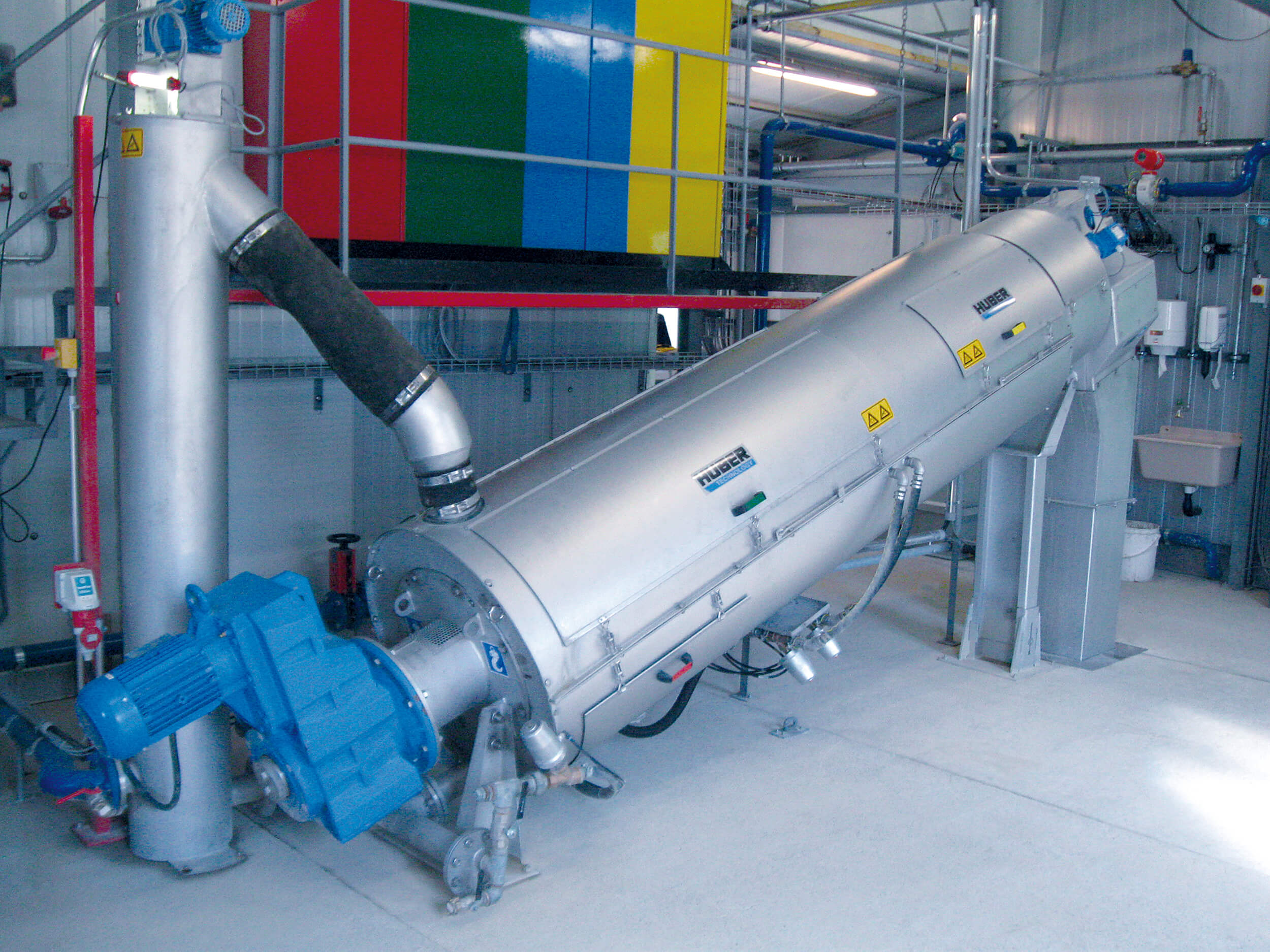
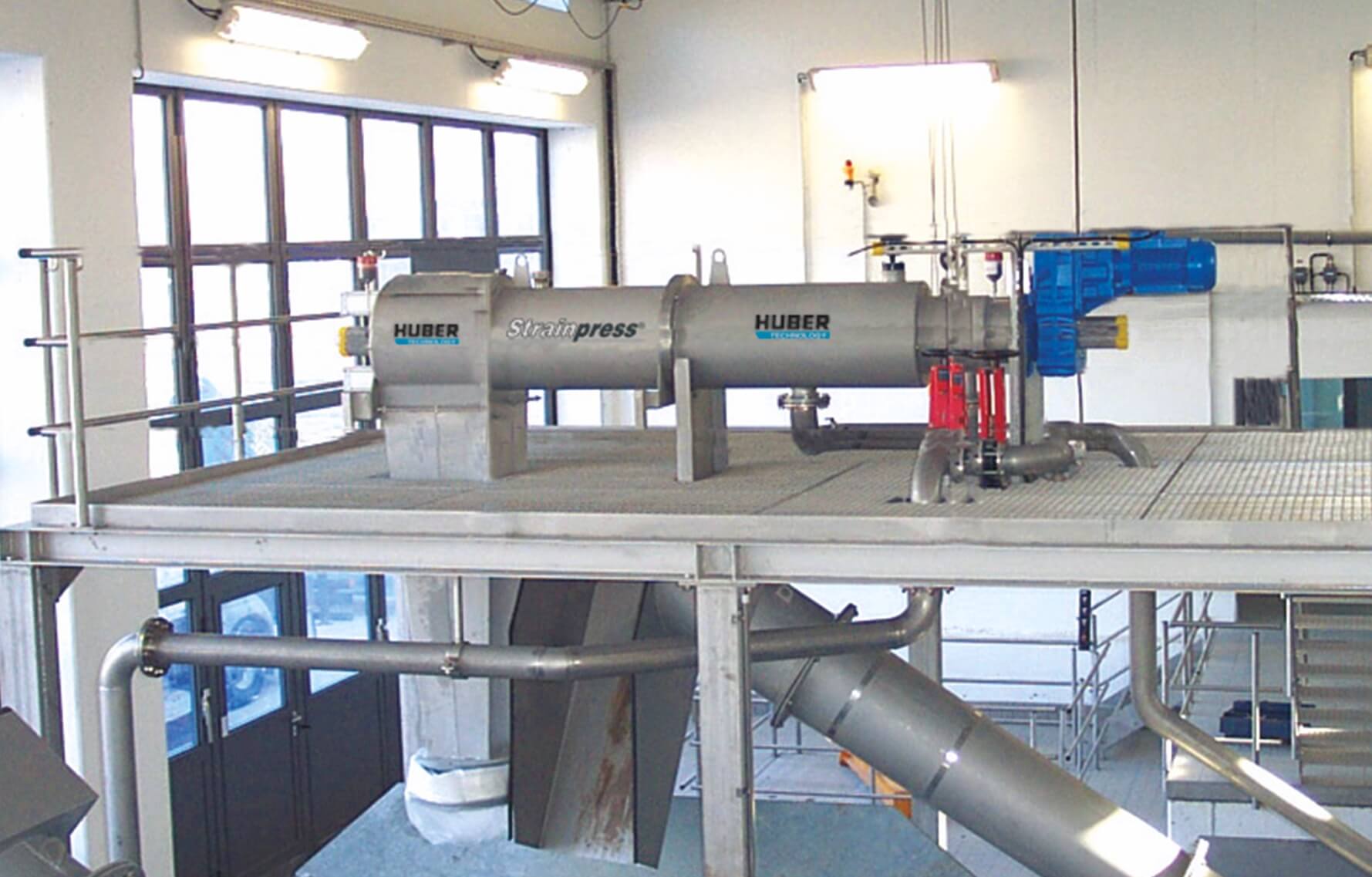
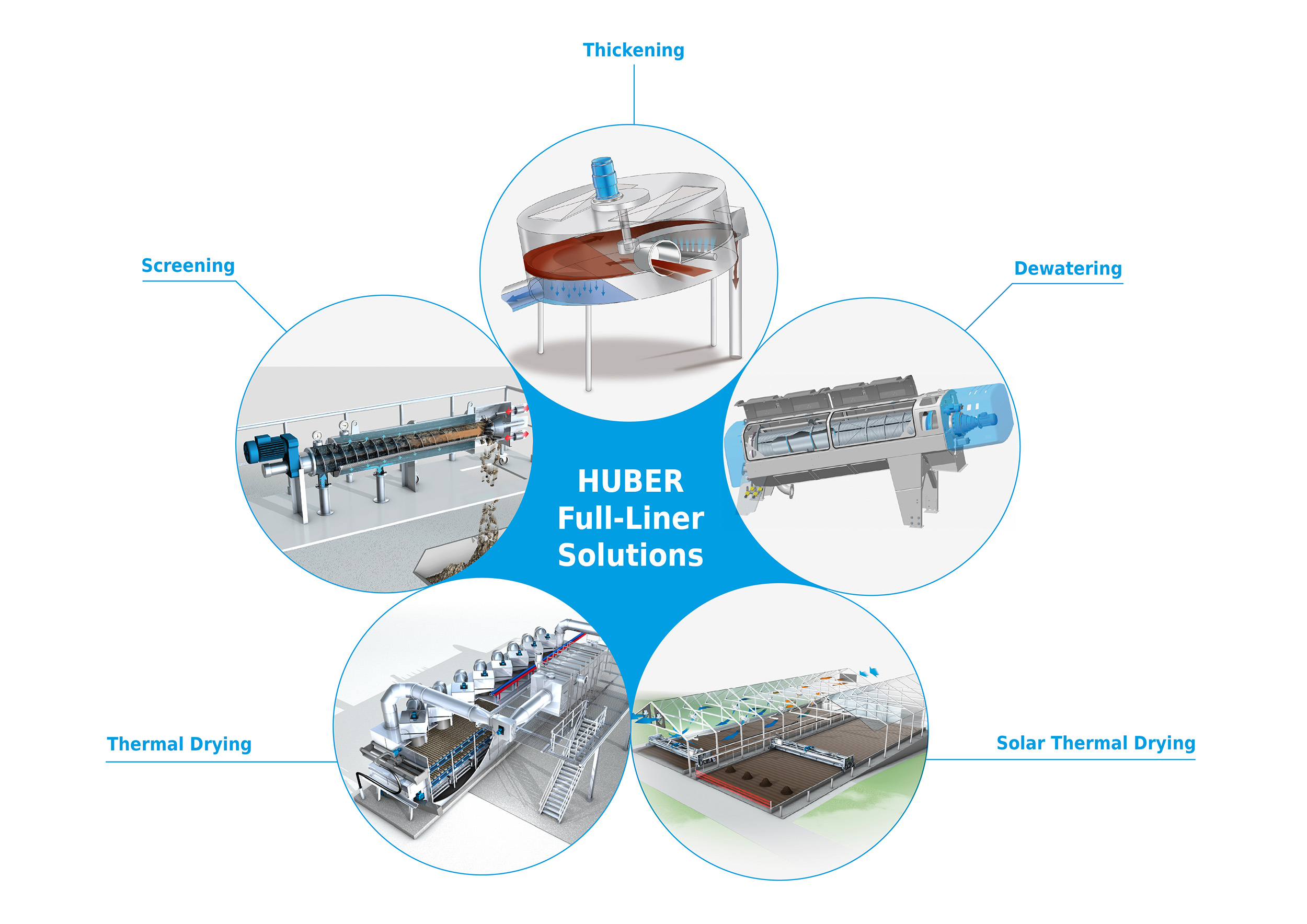
This is precisely where the advantages of a supplier with a comprehensive portfolio become apparent. The quality of the entire process chain starts right at the sludge screening stage. The HUBER Sludgecleaner STRAINPRESS® removes contaminants at an early stage of the process. Although this may seem trivial, it has a significant impact on operational reliability and subsequent process stages.
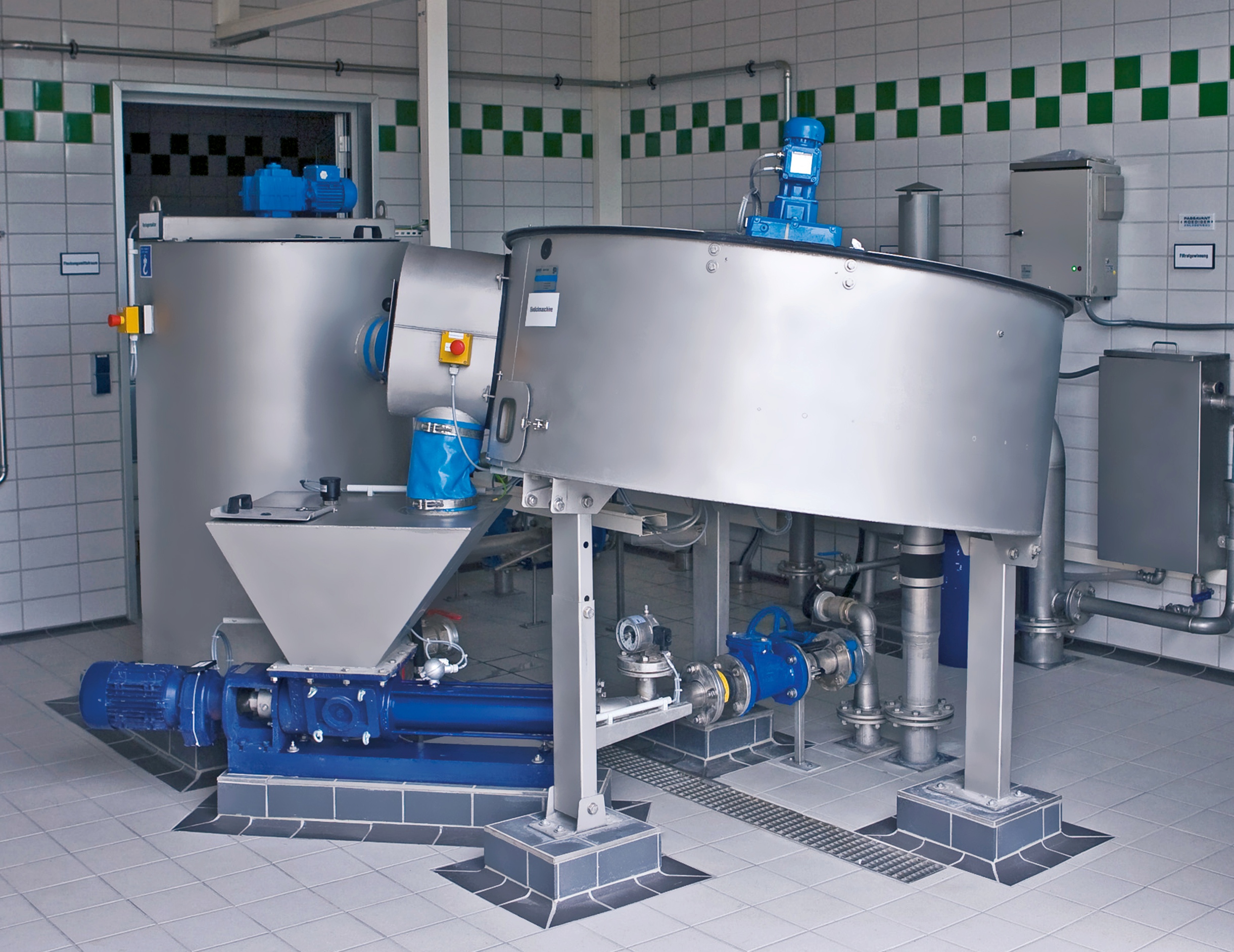
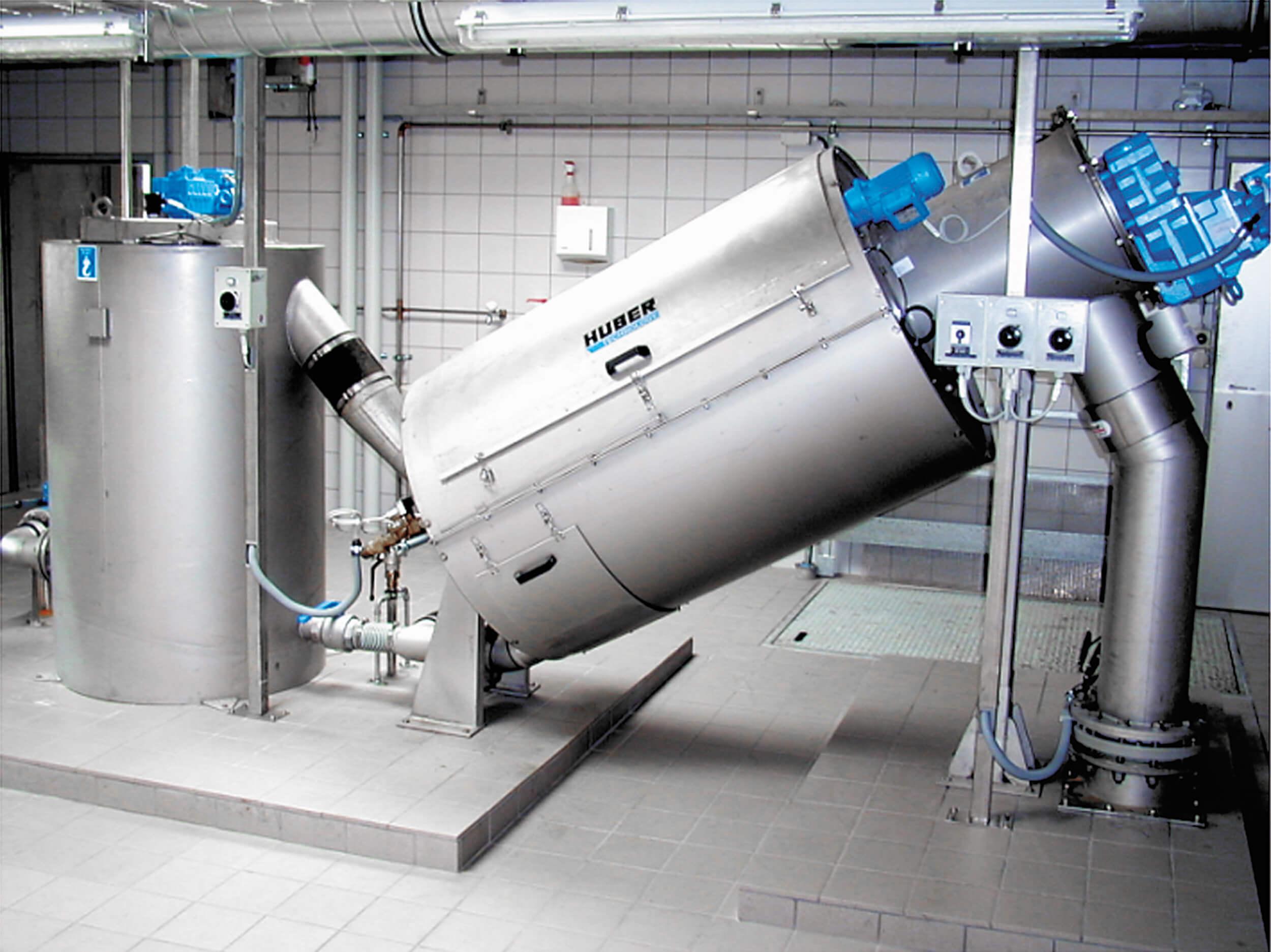
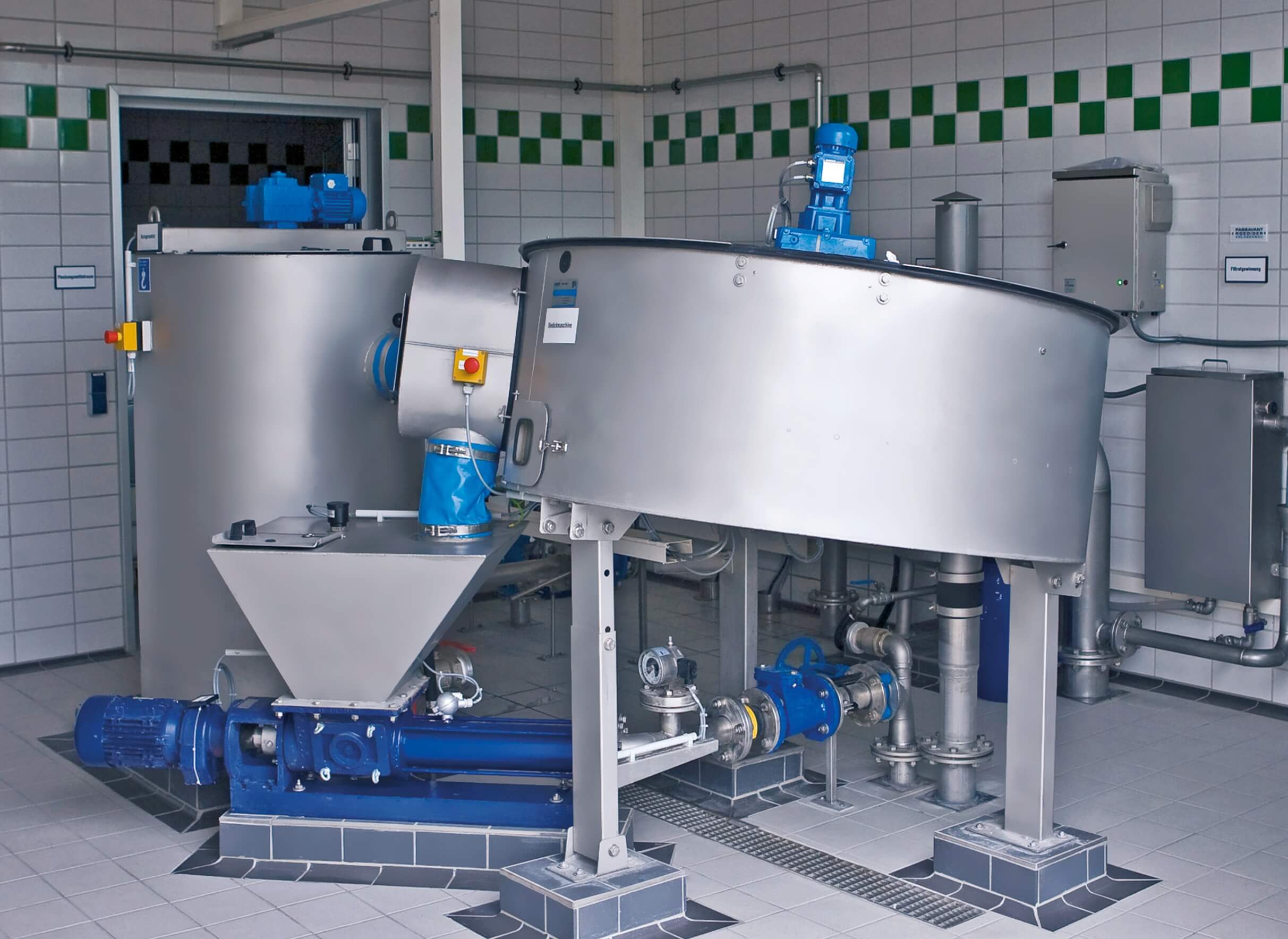
Next comes sludge thickening, a process that is often underestimated. In fact, it plays a decisive role in determining the energy and cost requirements of subsequent steps. HUBER offers solutions that can be precisely adapted to local needs, utilising a variety of technologies such as disc, belt, or screw. This diversity is not an end in itself, but enables the creation of tailor-made, sustainable process chains for the end customer.
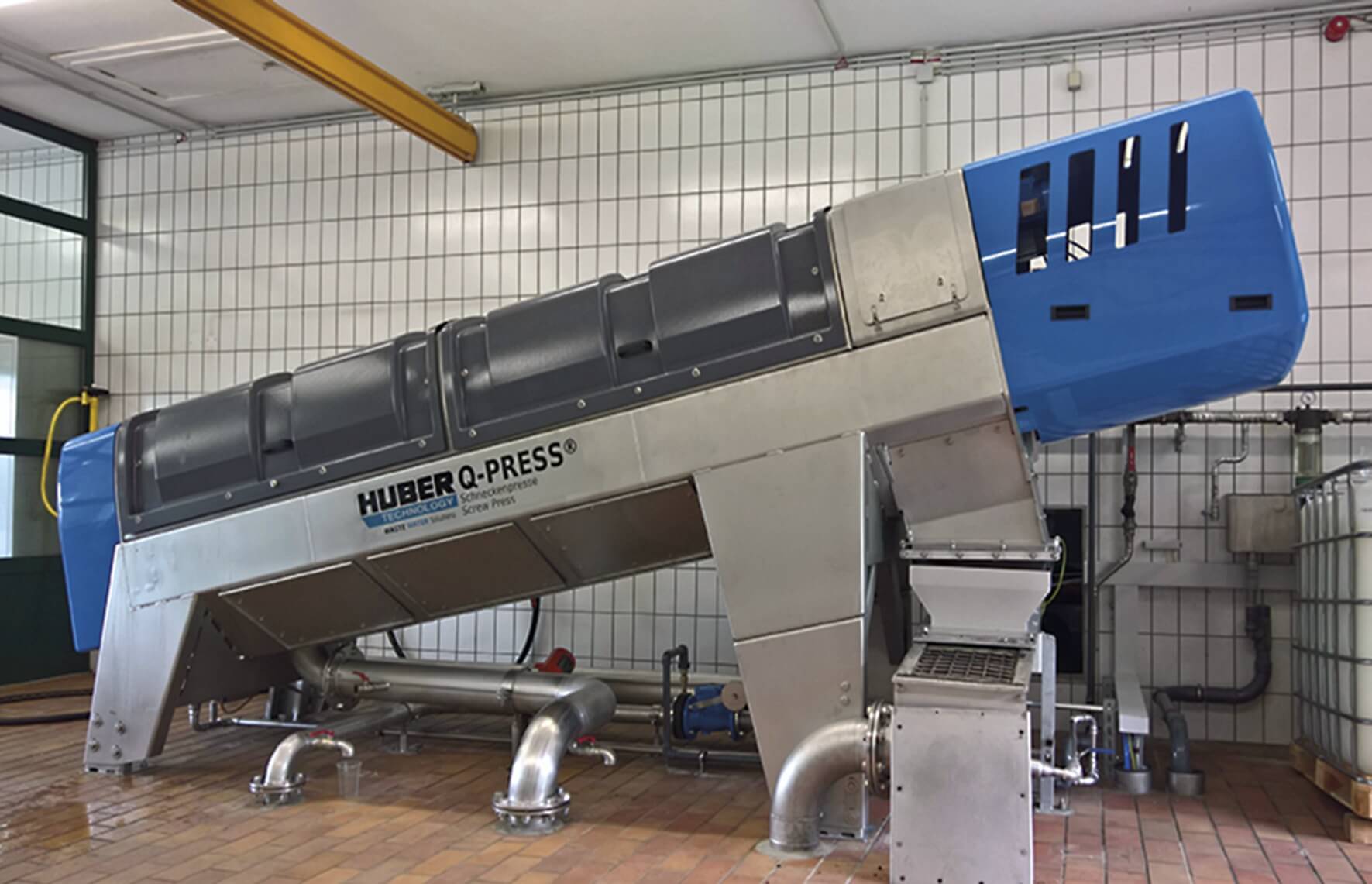
In the subsequent dewatering stage, the sludge is brought to an economically viable dry matter content, which is a key factor when it comes to disposal and transport costs. The more water that is removed from the sludge at this stage, the less mass will need to be transported later. This not only reduces operating costs but also significantly improves the carbon‑footprint of the entire process: Less material means fewer transport journeys, lower energy consumption and, consequently, significantly lower greenhouse gas emissions.
This is precisely where the strength of a full-liner lies: Different machine types, but a coordinated overall concept that ensures thickening and dewatering mesh together perfectly and guarantee a consistently high quality of the dewatered sludge.
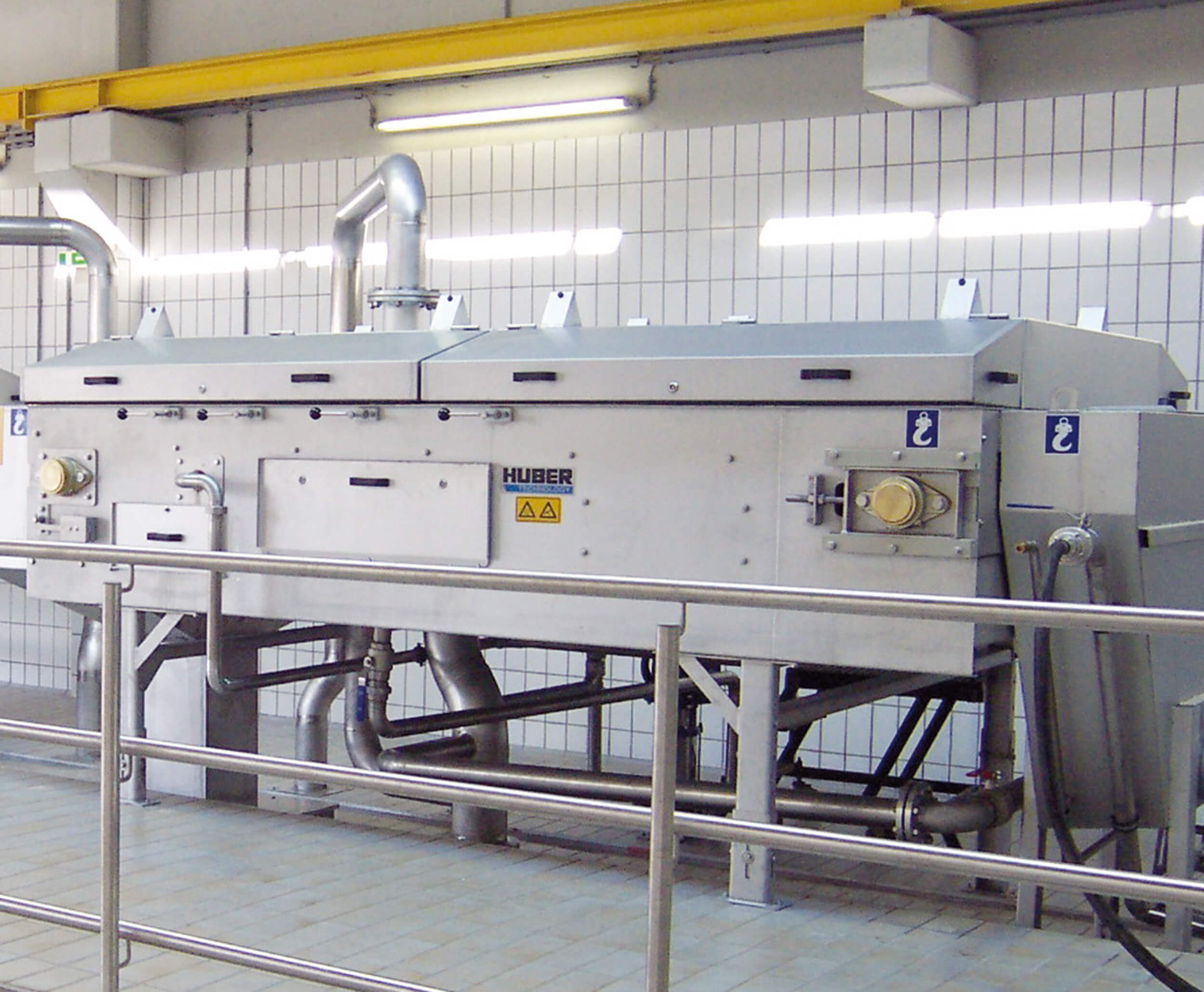
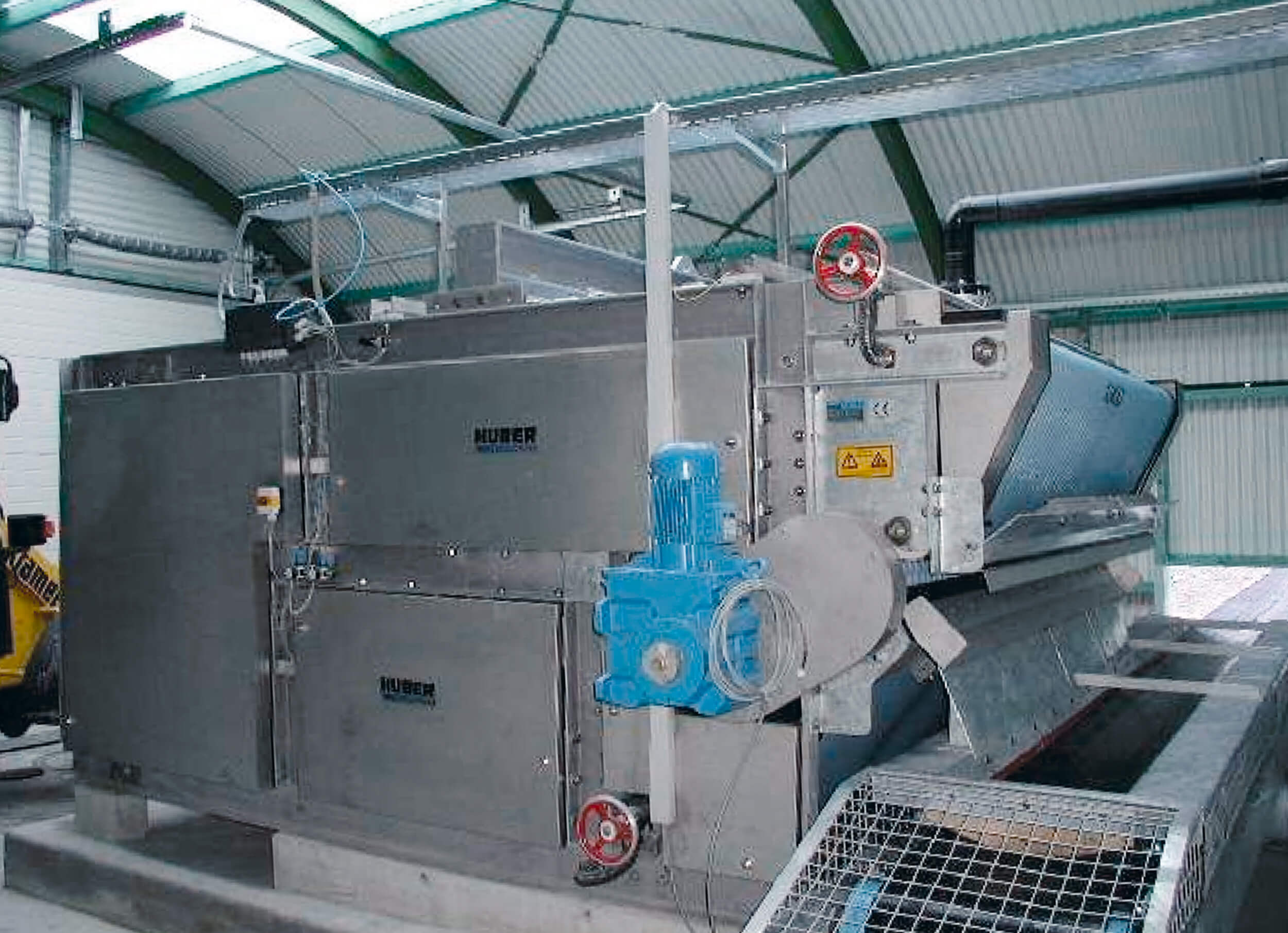
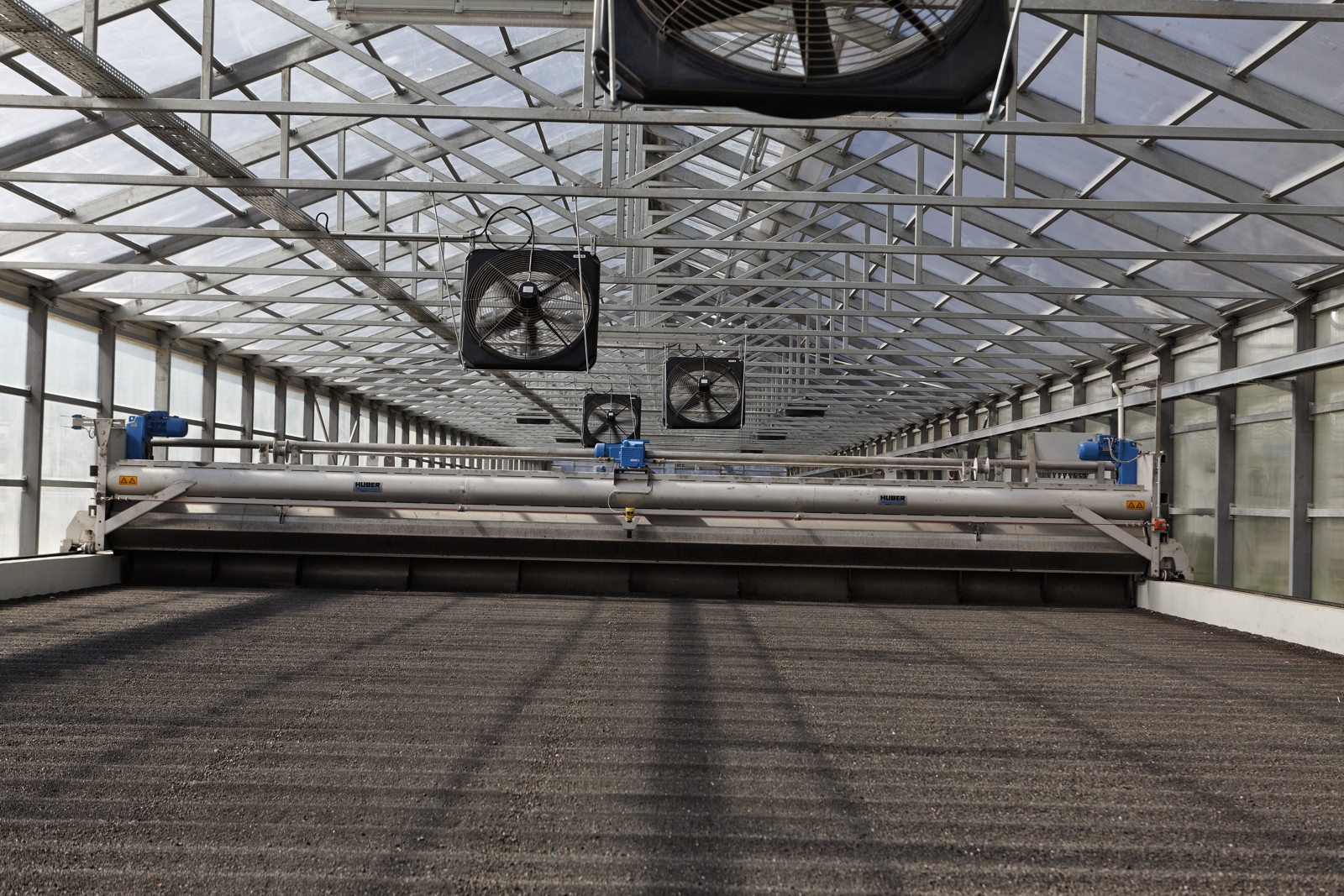
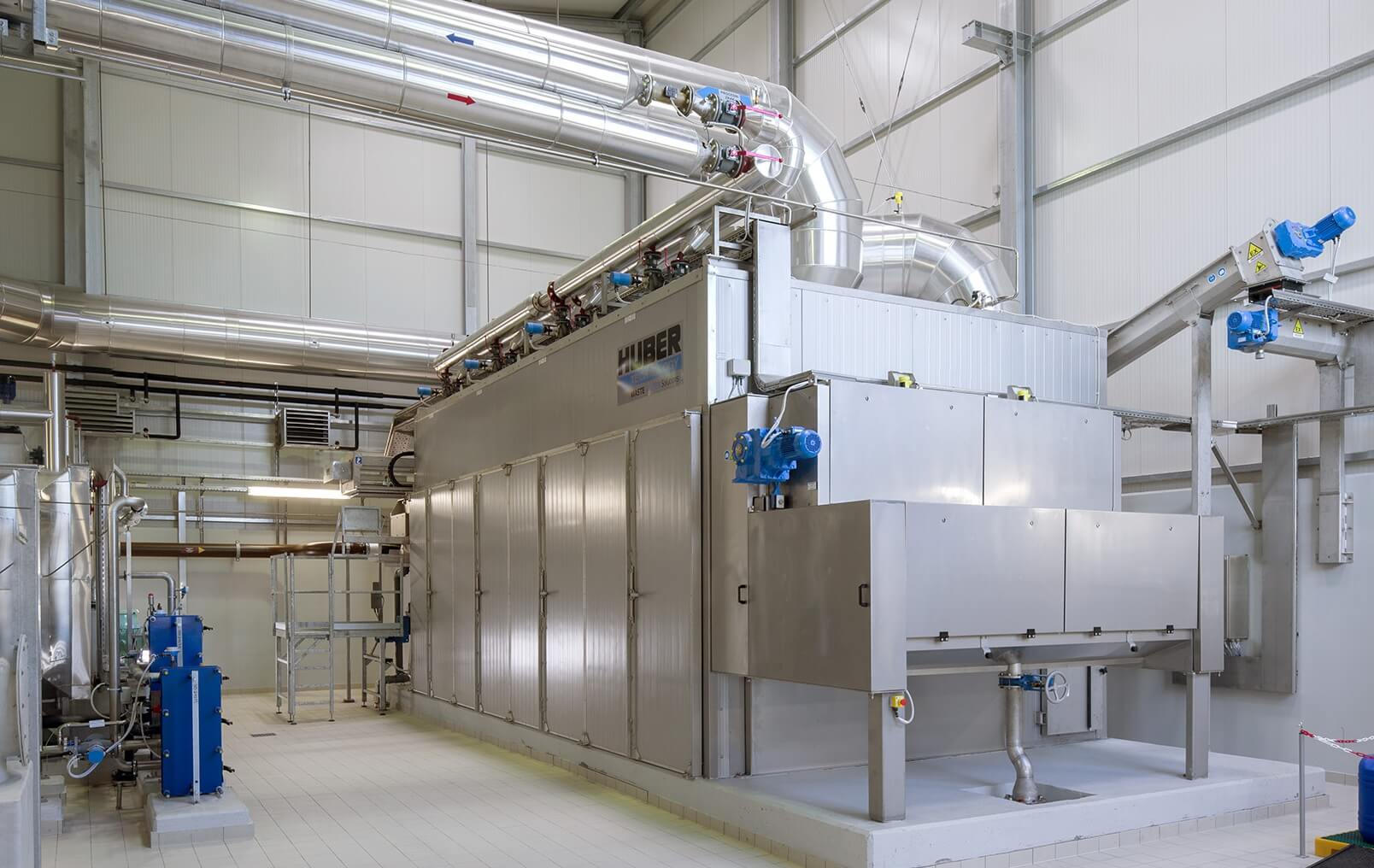
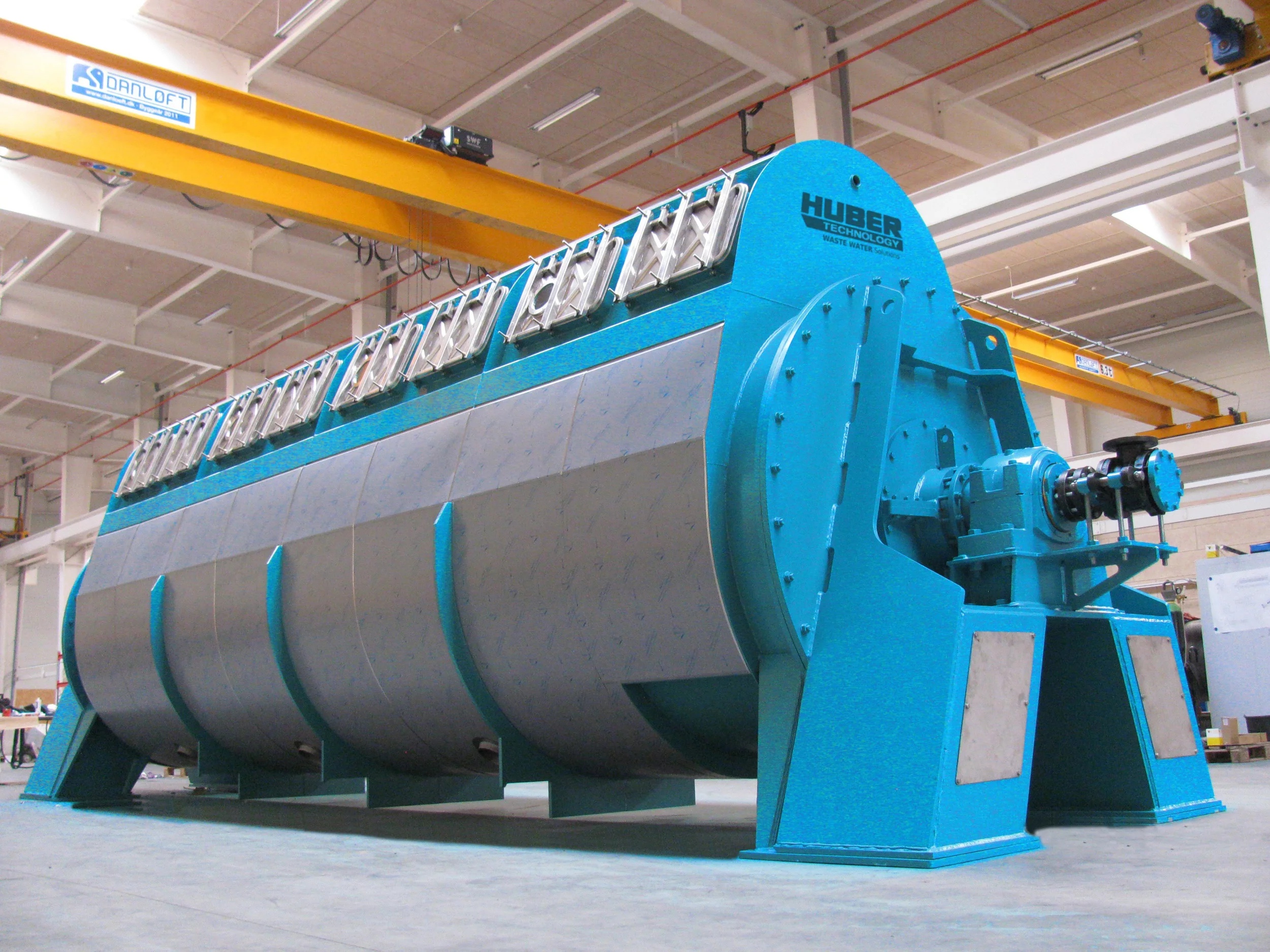
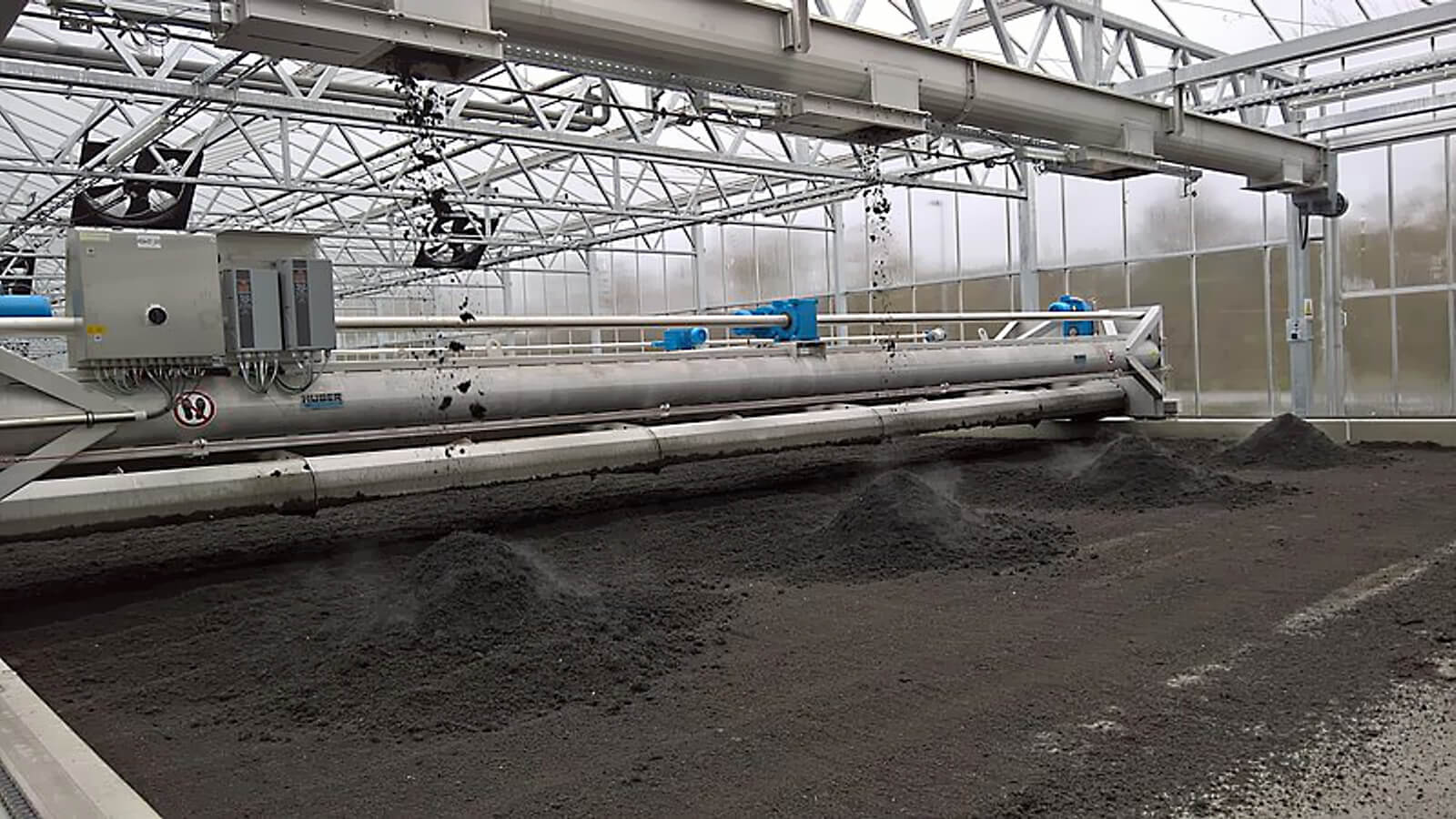
The final step is thermal sludge treatment, which transforms waste into a valuable raw material. This can be achieved using solar-assisted, belt-based or rotary drying methods. Whether solar-assisted, belt-based or rotary-dried, solutions such as the HUBER Sludge Turner SOLSTICE®, the HUBER Belt Dryer BT or the HUBER Disc Dryer RotaDry® can meet a wide range of energy, local and end-product specifications. Compared to dewatering alone, sludge drying significantly improves the overall environmental balance. The dried sludge is lighter, significantly more stable and considerably more compact. This reduces transport costs and associated emissions further. At the same time, it produces a material that is easy to store and can be used for energy recovery — a process that offers economic benefits and supports the CO₂‑neutrality of modern wastewater treatment plants.
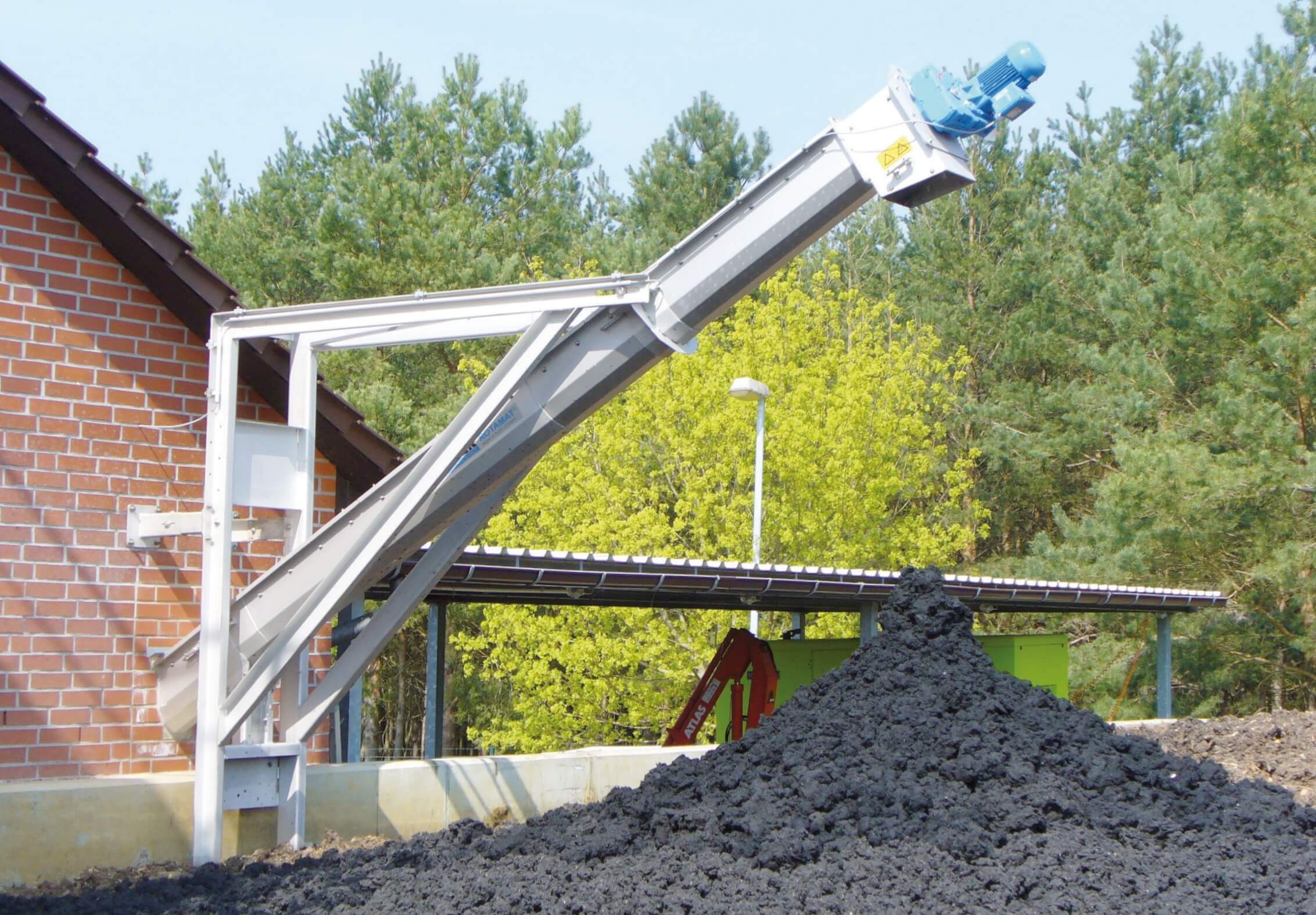
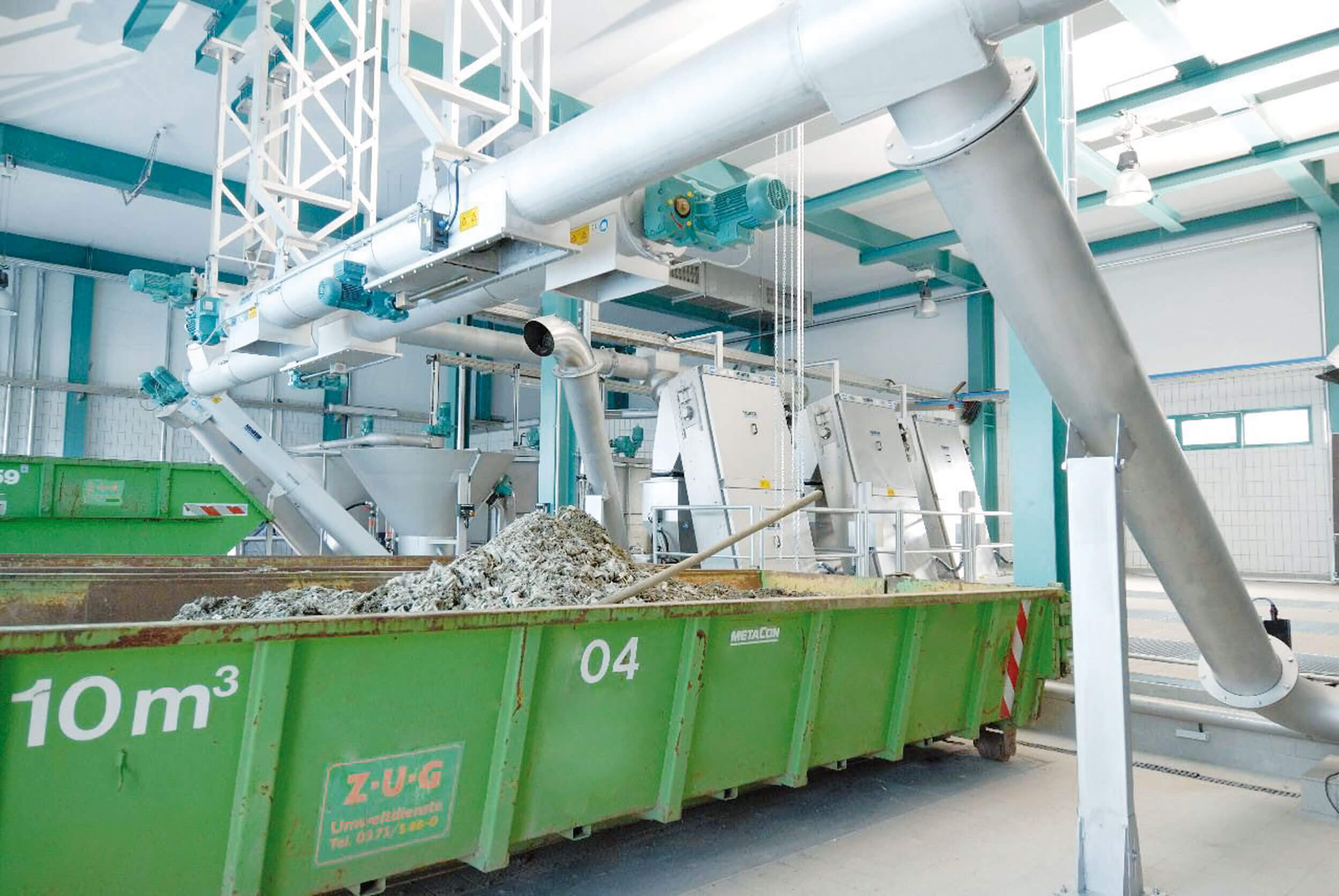
Thanks to our wide range of products and processes, we can always focus on delivering optimal customer benefits. All these machines are interconnected by screw conveyors and transport technology. What often appears unremarkable is, in fact, the backbone of a reliably functioning plant.
Case study: Erlangen wastewater treatment plant
The Erlangen wastewater treatment plant is one of the most efficient facilities in Bavaria. Every day, around 35,000 m³ of wastewater is treated mechanically, biologically and chemically – enough to reliably treat the wastewater equivalent of up to 350,000 inhabitants. Particularly noteworthy is the site’s energy performance: Through extensive modernisation of the digestion tanks and continuous process optimisation, energy consumption has been reduced by around 1 million kWh per annum.
In 2020, the treatment plant achieved energy neutrality for the first time by combining the use of biogas and photovoltaics, and has covered its entire heating and electricity requirements independently ever since. Erlangen is therefore a striking example of how technical coordination, efficient processes, and modern plant concepts can come together.
Furthermore, the Erlangen sewage treatment plant demonstrates the effectiveness of a comprehensive portfolio. It impressively illustrates how various HUBER components interlock seamlessly: Even the intake technology for sewer cleaning vehicles and road sweepers is fully coordinated – from the intake hopper and discharge screw to the grit washing system. This ensures robust, low-wear operations in an area subject to particularly high stresses.
Mechanical treatment involves the use of step screens, wash presses and grit washing plants. It is crucial to ensure that these processes run reliably because any blockages, grit content or coarse material will affect subsequent stages of wastewater and sludge treatment.
Erlangen also relies on HUBER technology for further treatment. Screening systems and wastewater heat exchangers provide mechanical relief and enable energy recovery, which is an increasingly important aspect of modern sewage treatment plants.
Of particular note is the HUBER Belt Dryer BT 16, which handles thermal sludge treatment. This highlights just how important it is to coordinate all the preceding process steps. Consistent incoming sludge, reliable dewatering and a suitable feeding system are the prerequisites for stable and energy-efficient drying operations.
Why a full-service provider makes all the difference
A wastewater treatment plant is not made up of individual machines, but of process chains that must work together seamlessly. If each link in this chain is supplied by a different manufacturer, coordination issues, interface problems and organisational friction are inevitable.
A full-line supplier such as HUBER offers clear advantages here:
- A consistent service and control philosophy
- Coordinated interfaces and material flows
- Lower operational risk
- Planning reliability for decades to come
A look at Erlangen shows: When a partner can cover several process steps, the result is a system that works well and impresses in technical, economic and sustainable terms.